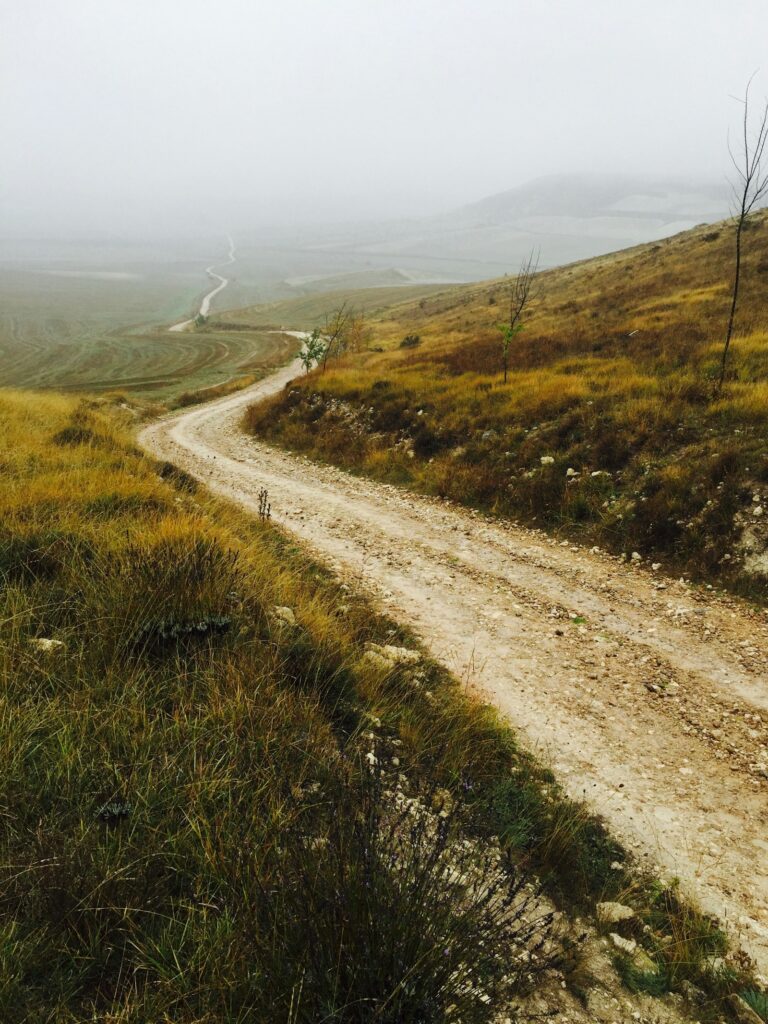
Camino de Santiago: The 100 km Rule and What Actually Counts
The Camino de Santiago is governed by written rules: 100 km on foot, 200 by bicycle, 70 from abroad. What the Compostela requires, what the Credencial does, and what it all costs.


The Camino de Santiago is governed by written rules: 100 km on foot, 200 by bicycle, 70 from abroad. What the Compostela requires, what the Credencial does, and what it all costs.
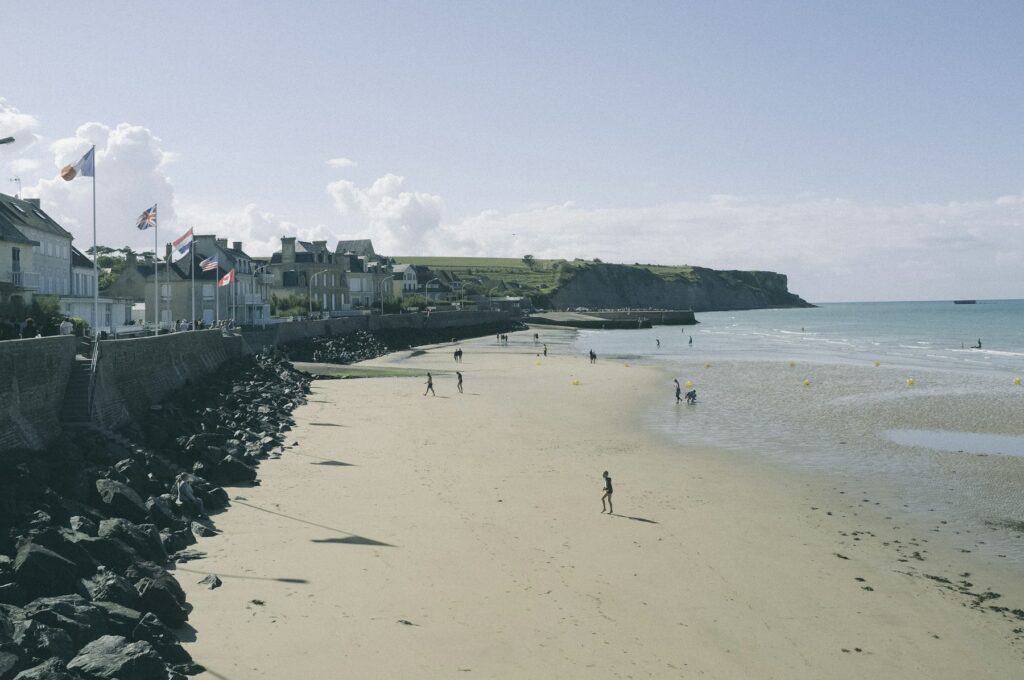
Seine river cruise weeks lead on Paris, yet the register disagrees: 538 inscribed hectares there against 4,228 in Normandy since 2026, Rouen still unlisted.
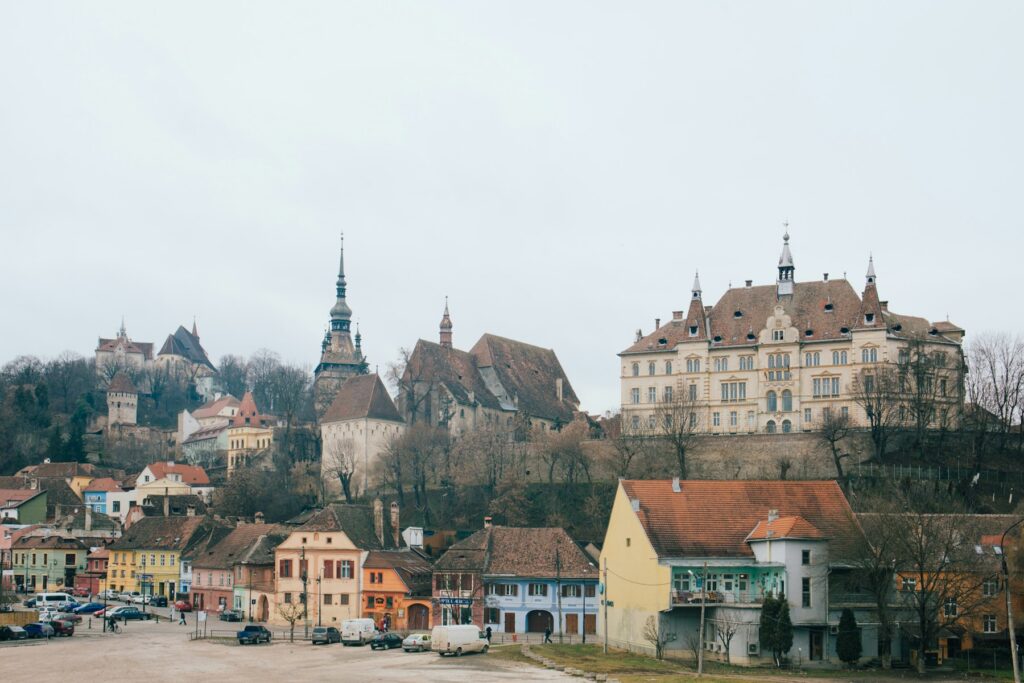
Romania itinerary built on the eleven UNESCO-inscribed properties rather than Bran Castle: seven overland legs, thirteen nights, and when to drive each.
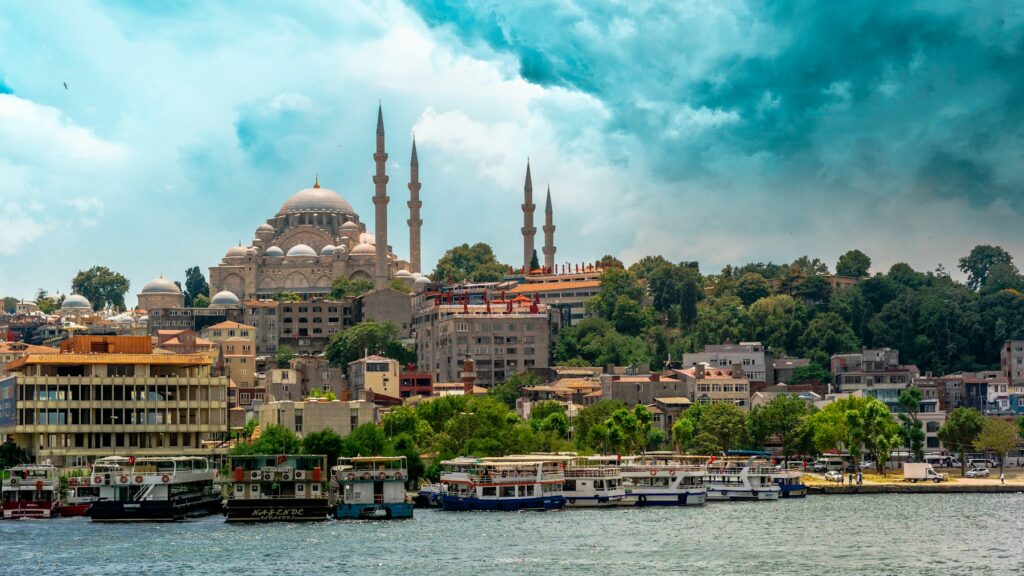
Things to do in Turkey, re-sorted by UNESCO’s register: 22 inscribed properties from 1985 to 2025, 20 cultural, two mixed, none purely natural, 80 more queued.
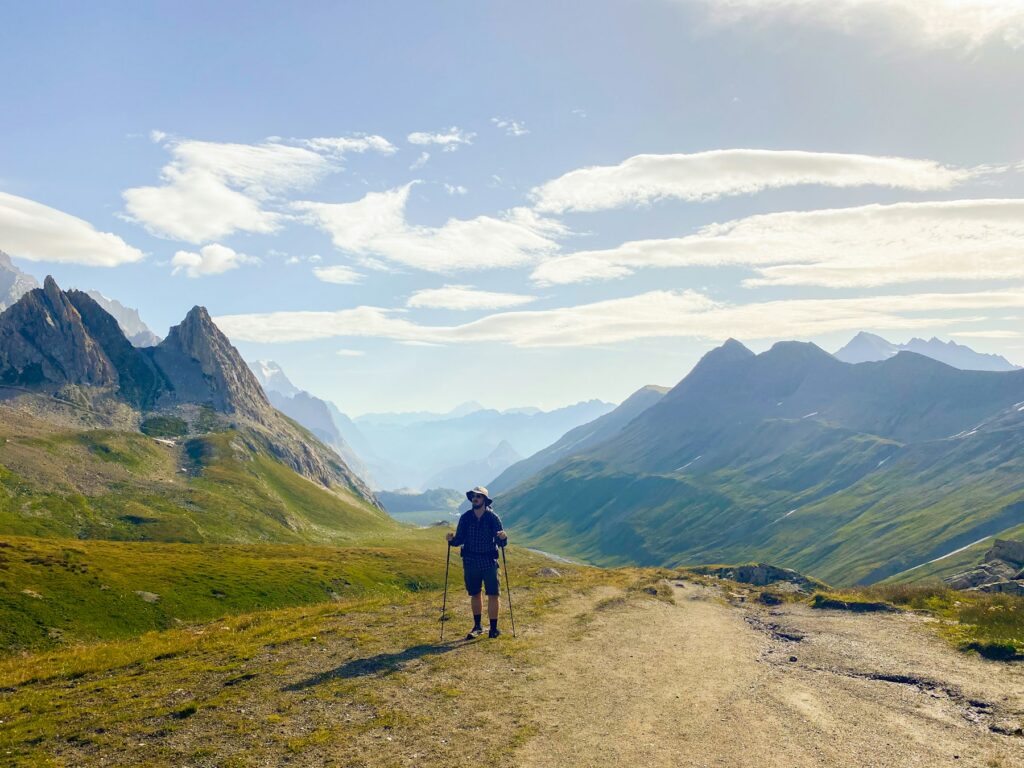
Tour du Mont Blanc: 170 km and 10,000 m of ascent round a massif two countries filed with UNESCO and a third never did. Seven stages, and 2026’s Swiss reroute.
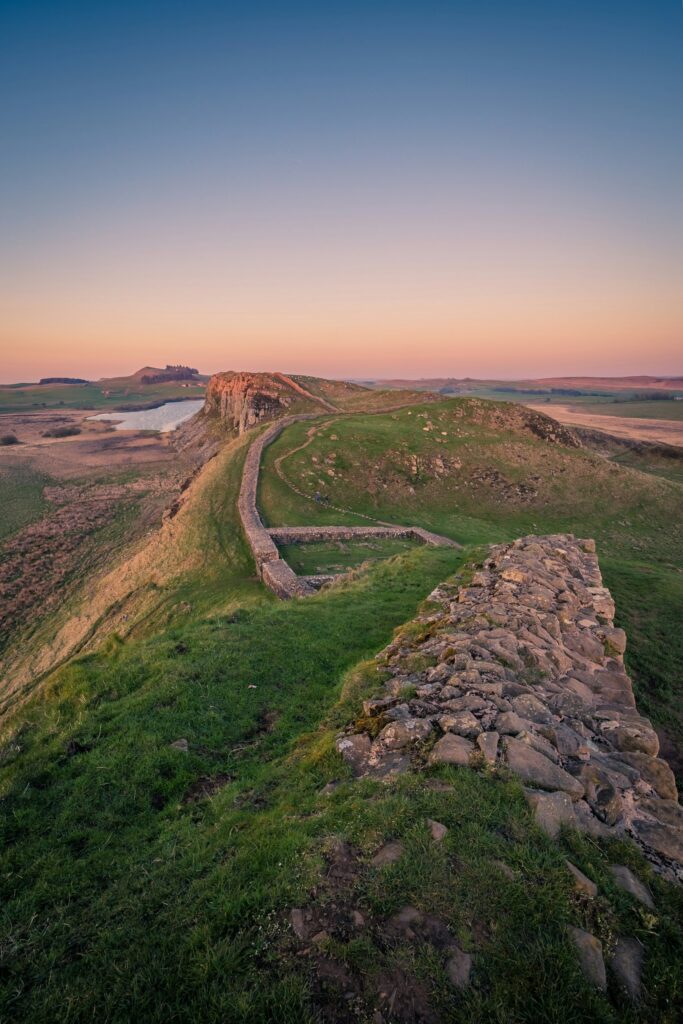
Hadrian’s Wall is 130 km of a Roman frontier UNESCO now records in four inscriptions across six countries. Seven stops along it, Northumberland to Transylvania.
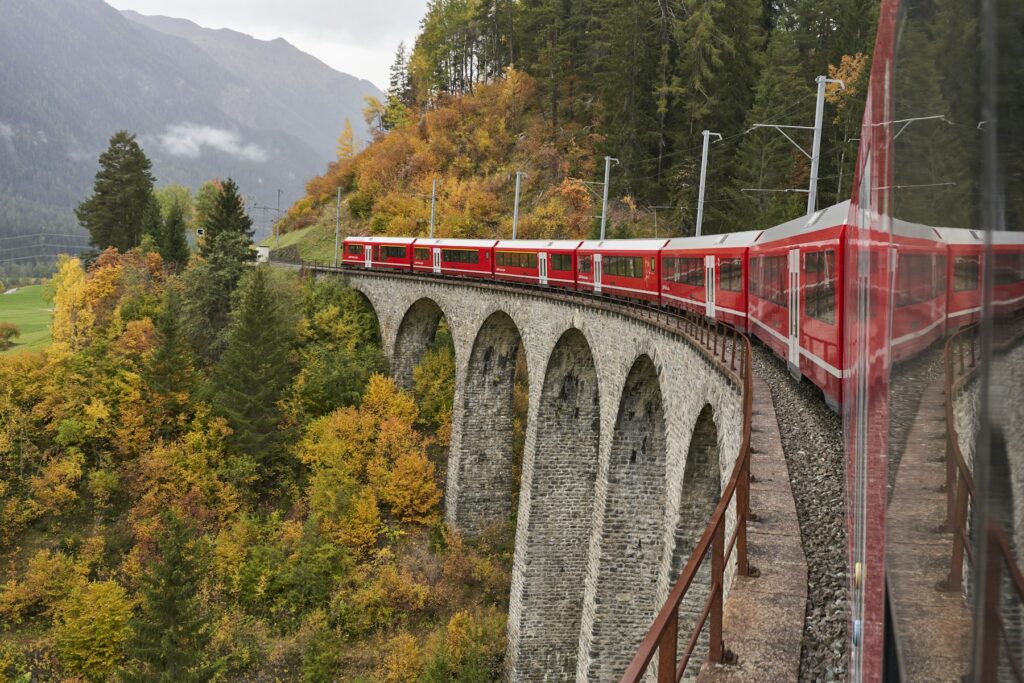
Switzerland by train: a 13-night, seven-leg route on the ordinary scheduled network instead of the panoramic trains, built around seven UNESCO properties.
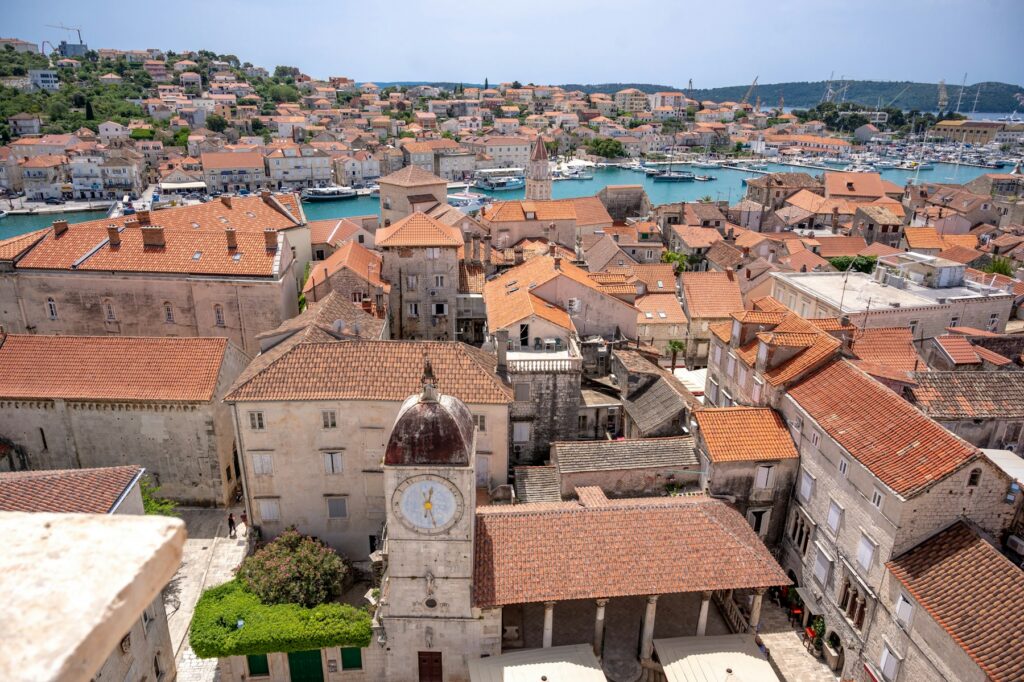
Things to do in Croatia, reordered by UNESCO’s own conservation file: five of the ten World Heritage sites carry no reports at all, and Dubrovnik carries 14.
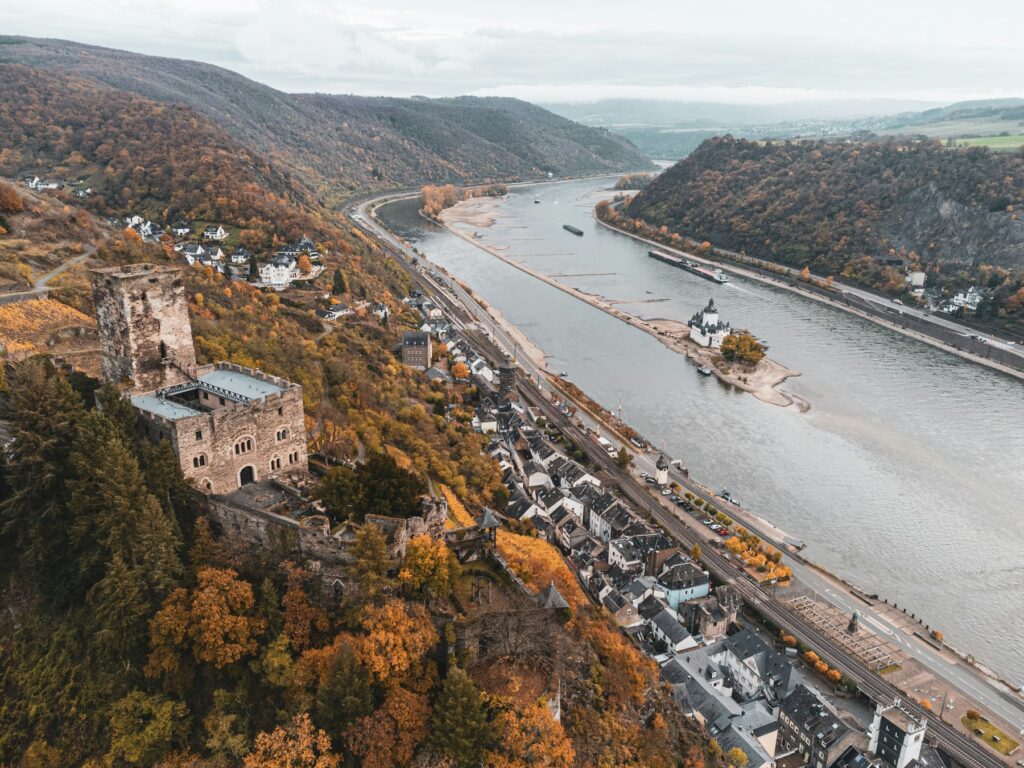
European river cruise shopping starts with the wrong question. Seven rivers, the World Heritage reach on each, the one with no fleet, and the one Europe lost.
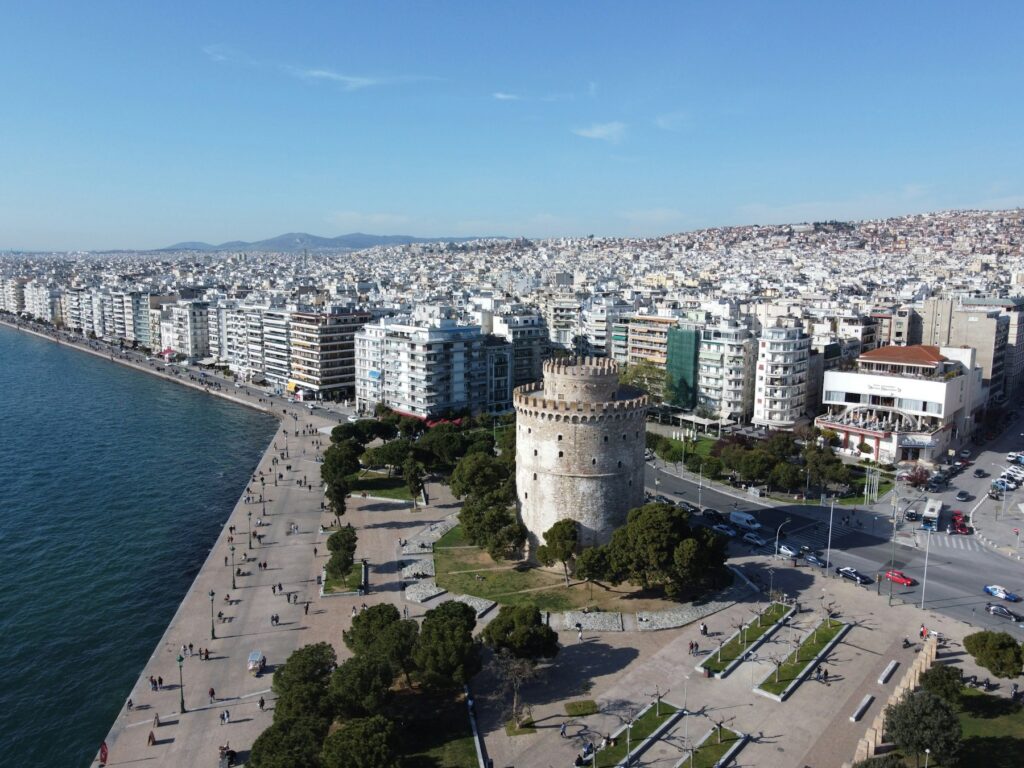
Best tourist cities in Greece, ranked by what UNESCO actually inscribed rather than by skyline: why Thessaloniki beats Athens, plus six more mainland bases.