

The Perfect Itinerary
How Dorian Would Do It
Japan Itinerary: 10 Days, Four Bases, and No Rail Pass

Co-Founder & Travel Advisor, Dorian Destinations · Published September 8, 2026 · ET
Have Us Build Your Japan Route
Almost every Japan itinerary 10 days long that I read has the same flaw: it’s a fourteen-day route with four days deleted. Same seven stops, less time in each, and a reader who arrives home exhausted having seen a great deal of railway platform.
Ten days in Japan is not two weeks minus four. It’s a different trip, and building it well means deciding what you are willing to not see. We land on four bases. Tokyo, Hakone, Kyoto, Osaka — nine nights, one open-jaw flight, and a bullet-train pass we tell most clients to leave in the shop.
That last part surprises people, so here’s where it comes from. Every price, journey time and rail rule below is from JR’s own terms as documented by japan-guide, checked today; the crowding and etiquette guidance is theirs too. The route, the pacing and the call on the pass are ours, from building these trips. We’re not a rail reseller and we don’t earn a yen either way on a Japan Rail Pass — which is precisely why we’ll tell you when it doesn’t pay.
There are now very few itineraries for which the pass actually pays off. JAPAN-GUIDE, ON THE JAPAN RAIL PASS AFTER ITS 2023 INCREASE
What ten days actually buys you
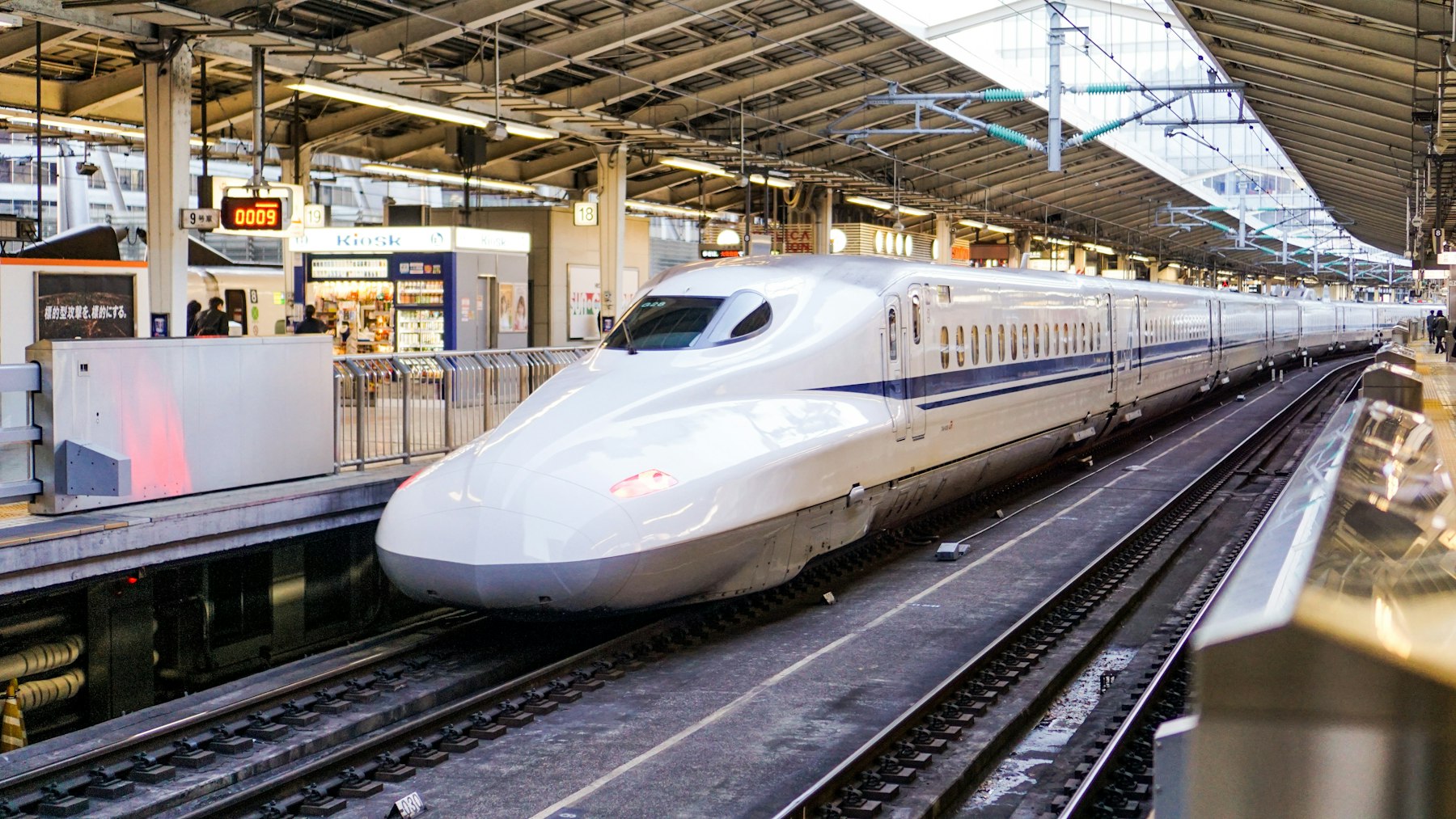
The Tokaido corridor is the reason Japan is so forgiving for a first trip. Tokyo to Shin-Osaka is about two and a half hours on the fastest train, and departures run four an hour. Nothing on this route is far. What is scarce is not distance, it’s attention — you have roughly seven usable days once you subtract the arrival fog and the departure morning, and a base change eats half a day whatever the timetable says.
So we spend the ten days on four bases and one day trip, and we deliberately skip the stops a fourteen-day version would include. No Hiroshima, no Kanazawa, no Takayama. Those are excellent and they are also the reason people come home flattened.
The Route · Tap a Stop
Schematic, not to scale. West at left — the journey runs east to west, Tokyo first.
- Tokyo — 3 nights, Days 1–3
- Hakone — 1 night, Day 4
- Kyoto — 3 nights, Days 5–7, with Nara on Day 6
- Osaka — 2 nights, Days 8–9, fly home Day 10
1. Days 1–3: Tokyo, and the arrival day you shouldn’t plan
Fly into Haneda if you can choose. It sits far closer to central Tokyo than Narita, and the Tokyo Monorail out of it is one of the few airport transfers a Japan Rail Pass would cover — worth knowing even though we’re about to argue you don’t need one.
Day one is not a sightseeing day and we stop pretending otherwise. Check in, walk a neighbourhood, eat early, sleep. The single most common mistake in a ten-day plan is spending day one on a temple and day two recovering from day one.
Days two and three are your real Tokyo. Two full days is enough for one great neighbourhood day and one great everything-else day, and no more — Tokyo rewards depth over sweep, so pick two areas rather than six. Where the JR network genuinely earns its keep here is the Yamanote Line, the loop that strings together most of the districts a visitor wants, and it’s the one piece of urban transport a pass covers well.
Best for: first-timers who want the contrast that makes the rest of the trip legible.
Go when: late October into early December, or May. Avoid the run-up to Silver Week — in 2026 that’s the rare five-day stretch of September 19 to 23, and japan-guide is already flagging domestic crowds.
2. Day 4: Hakone, the stop most ten-day plans delete
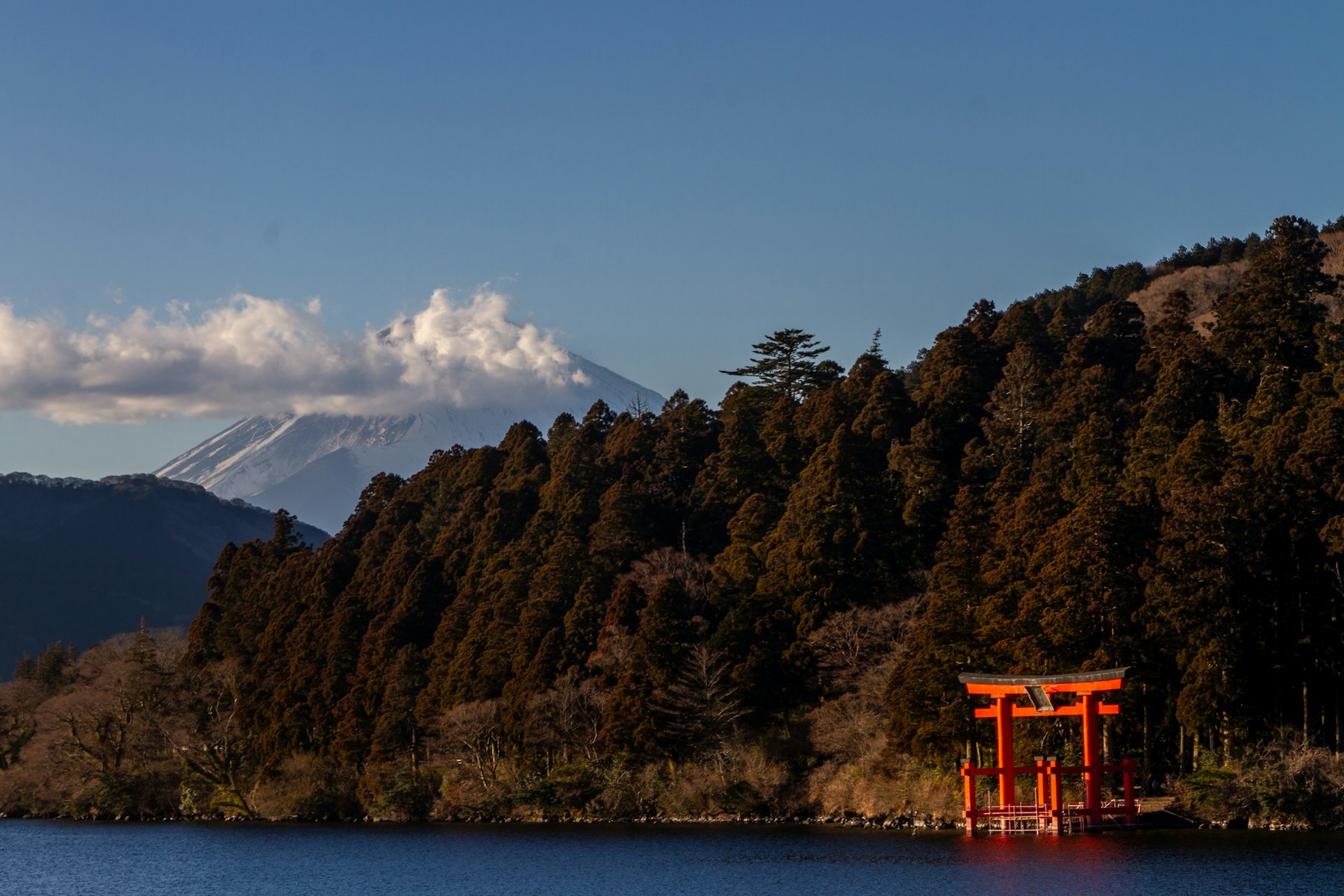
Here is the cut we argue hardest for keeping. Hakone is a single night between Tokyo and Kyoto, and on paper it looks like the obvious thing to drop — it isn’t a headline city and it costs you a base change. Keep it anyway.
The reason is structural rather than sentimental. Tokyo to Kyoto in one hop puts two intense cities back to back on day four of a trip you’re still adjusting to, and the wall arrives in Kyoto, which is the worst possible place to be tired. Hakone breaks that: an onsen town, a night in a ryokan, mountains instead of a grid, and on a clear day Fuji. You arrive in Kyoto with something left.
It also happens to be the one leg where a rail pass is least relevant, since much of the Hakone loop runs on private railways, ropeways and boats that JR doesn’t touch.
Best for: anyone over about forty, anyone with children, and anyone who has flown more than eight hours to get here.
Go when: avoid peak autumn weekends if you can — this is a domestic favourite, and rooms in good ryokan go months out for November foliage.
3. Days 5–7: Kyoto, on the slow train
The ride to Kyoto is where our advice diverges sharply from most itineraries. The fastest train on the Tokaido line is the Nozomi, about two and a half hours Tokyo to Shin-Osaka. The Hikari does the same run in roughly three hours. Thirty minutes apart.
The Nozomi is also the one train category a Japan Rail Pass does not cover without a supplement, and on the Tokyo–Kyoto section that supplement is 4,960 yen per person. The Hikari costs pass holders nothing extra. Two departures an hour, half an hour slower, thousands of yen cheaper. On a ten-day trip you will make this trade two or three times, and it adds up faster than people expect.
Three nights in Kyoto is the minimum that works and it still isn’t generous. Give one day to the north-west, one to the east, and accept that you are not going to see the famous five in three days — nor should you try. Japan-guide’s own overtourism guidance says it plainly: even inside Kyoto there are beautiful places that stay relatively free of crowds and reward you more than the overcrowded top five. We build around that deliberately, starting early and going where the coaches don’t.
One practical note that catches almost everyone: a Japan Rail Pass is close to useless for getting around Kyoto itself. Most of the city runs on subways and buses that JR doesn’t operate.
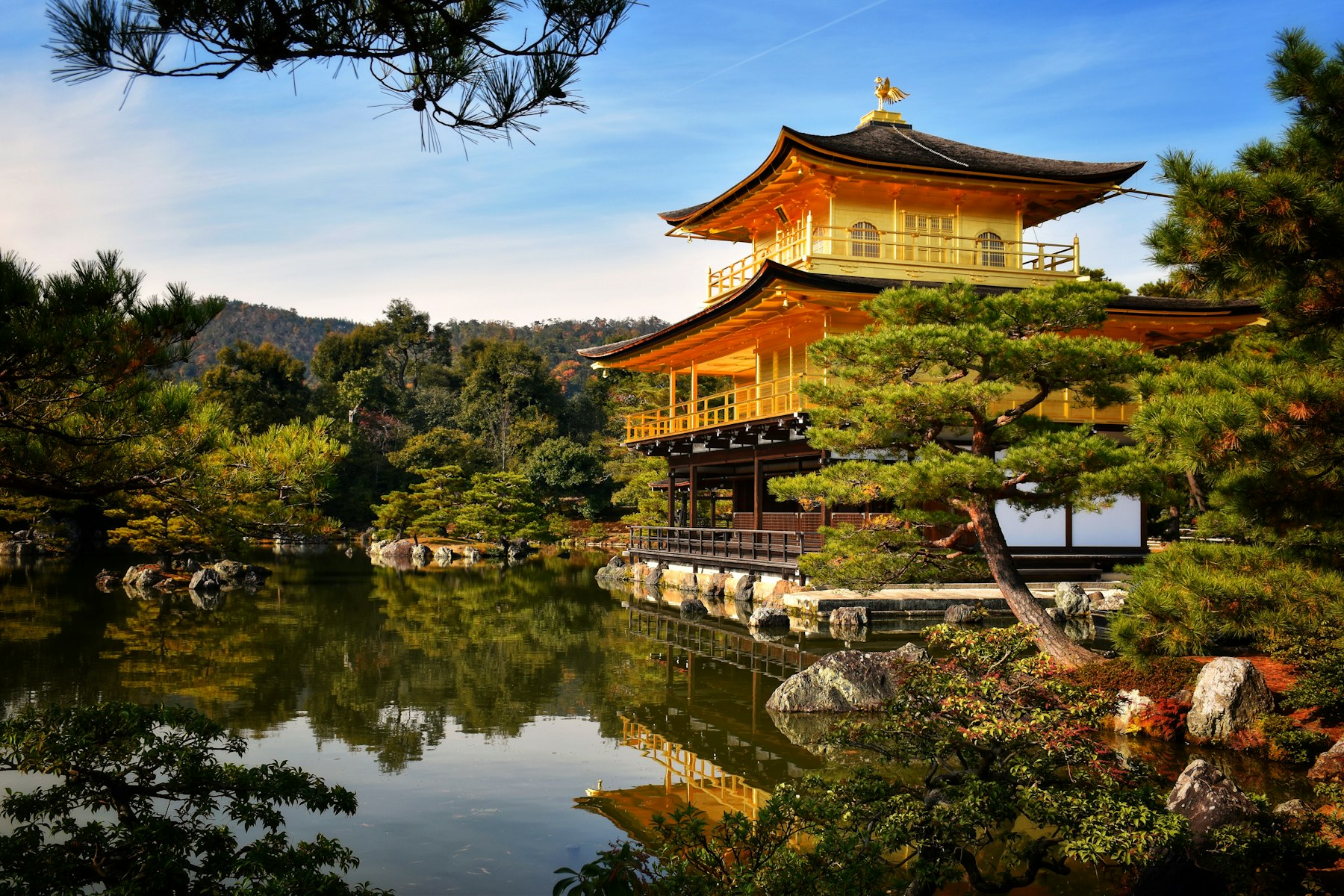
Best for: the emotional centre of the trip. If something has to get an extra night, it’s this.
Go when: November for foliage if you book early, or late April once the cherry crowds thin. July and August are genuinely uncomfortable.
4. Day 6: Nara, and why it’s a day trip and not a base
Nara is close enough to Kyoto that staying there costs you more in logistics than it saves you in atmosphere, which is why it stays a day trip on a ten-day plan. Go early. The deer and the great hall are the draw, and both are dramatically better before the mid-morning buses arrive.
Treat it as a half-day with a slow afternoon rather than a second city to conquer. This is also the day to put the luggage-forwarding habit into practice — Japan’s courier network will move your bags from base to base overnight, and japan-guide names oversized luggage as one of the four behaviours behind most local complaints about visitors. Send the big case ahead to Osaka and travel with a small bag. It is cheap, it is startlingly reliable, and it makes every train and bus of the trip easier.
Best for: a lighter day in the middle of the trip, which every ten-day route needs somewhere.
Go when: first train out. This is not a lie-in day; by eleven you’ll wish you had gone earlier.
5. Days 8–9: Osaka, deliberately last
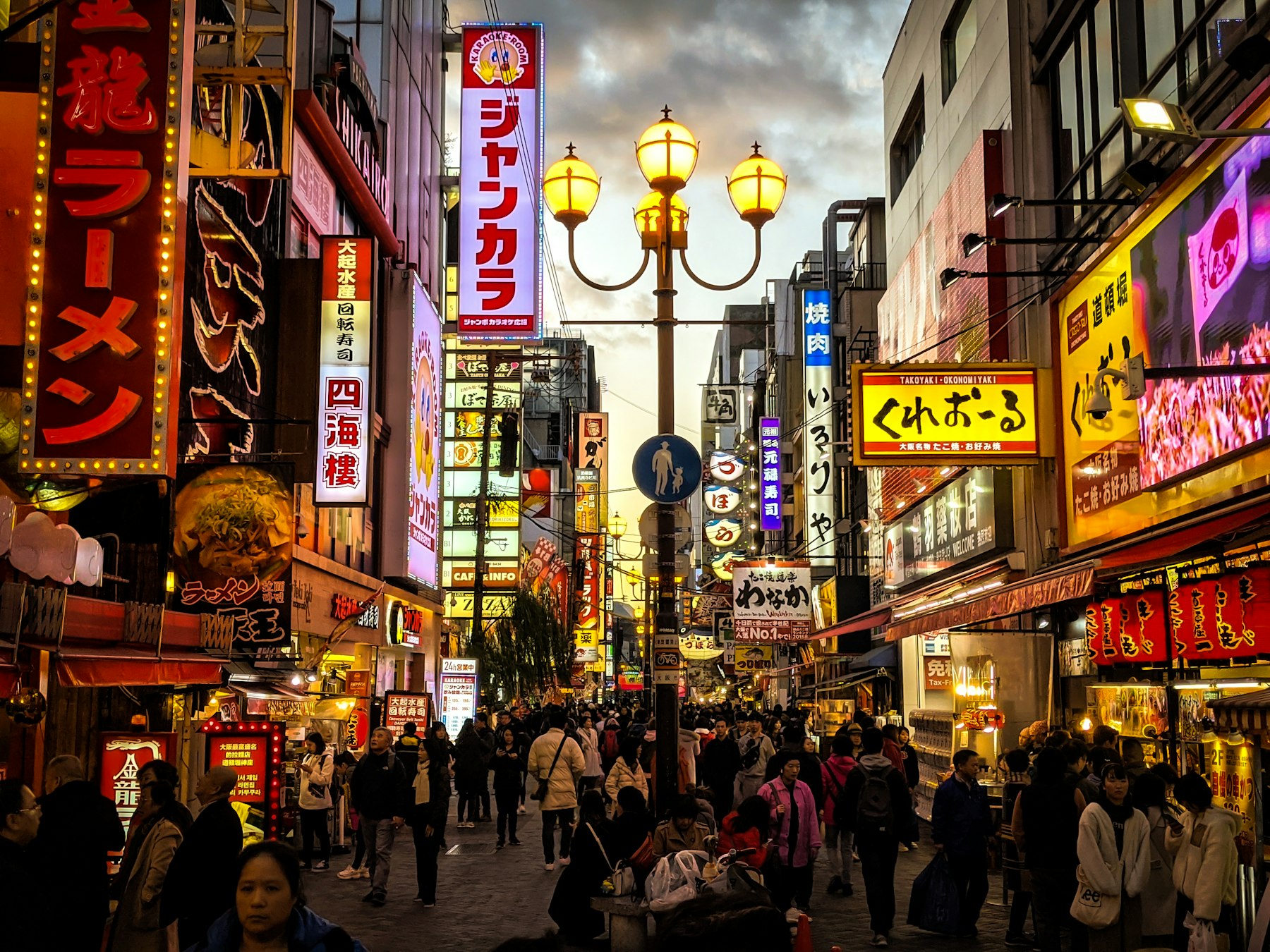
Osaka goes at the end for two reasons, one of them unromantic. The romantic one is that it’s the loudest, most appetite-driven city on the route, and it lands better as a release after Kyoto than as a warm-up before it. The unromantic one is Kansai Airport, which is Osaka’s, not Kyoto’s — ending here means your last morning is a short transfer rather than a two-hour backtrack.
Two nights gives you one full day and two proper evenings, which is the correct amount of Osaka for most people. If your trip has a shopping day or a nothing-planned day in it, this is where it belongs. The JR Osaka Loop Line covers a useful amount of the city, so this is the second and last place a rail pass would have pulled any urban weight.
Best for: food, and the decompression a ten-day trip needs before a long flight.
Go when: any season. Osaka is the most weather-proof stop on the route, which is another argument for putting it last.
6. Day 10: fly home from Kansai, not Tokyo
Book this as an open-jaw — into Haneda, out of Kansai. It costs marginally more on most fares and it saves you an entire day of the ten, which is the best exchange rate available on this itinerary. A closed-loop ticket back to Tokyo means a three-hour repositioning on day nine or a punishing dawn on day ten, and either way you have paid for a day you don’t get to use.
This is the change I most often have to talk people into, usually because a search engine showed them a cheaper round trip. Price the trip, not the flight. A hundred dollars saved on airfare that costs you a day in Kyoto is not a saving.
Best for: every version of this route, without exception.
Book by: three to six months out for the transpacific legs; earlier if you’re travelling in autumn.
More from Dorian Destinations
Got more time? Japan Itinerary: 2 Weeks on the Route We Actually Book — same country, seven bases, and the four stops we cut from this one.
The Japan Rail Pass, and why ten days is the wrong shape for it
The pass costs what it costs, and from October 1, 2026 it costs two different amounts depending on where you buy it. JR is holding prices on its own official website and raising them for travel agencies. Children aged six to eleven pay half on every line of this table.
| Pass | Official JR website | Travel agency, from Oct 1 2026 | Penalty for buying via an agency |
|---|---|---|---|
| 7 days, ordinary | ¥50,000 | ¥53,000 | +¥3,000 |
| 7 days, green car | ¥70,000 | ¥74,000 | +¥4,000 |
| 14 days, ordinary | ¥80,000 | ¥84,000 | +¥4,000 |
| 14 days, green car | ¥110,000 | ¥116,000 | +¥6,000 |
| 21 days, ordinary | ¥100,000 | ¥105,000 | +¥5,000 |
| 21 days, green car | ¥140,000 | ¥147,000 | +¥7,000 |
So the first rule is simply: buy direct. From October there is no reason to pay an agency premium, and the official website gives you two things an agency voucher doesn’t — online seat reservations you can make before you land, and pickup with just your passport at a ticket machine rather than a queue at a counter. Station sales ended in 2023, so turning up in Japan and buying one is no longer an option at all.
Why we still say no on this route
Japan-guide is blunt about the break-even: since the 2023 increase the pass pays off only for people covering very long distances in short windows, and the worked example they give is Tokyo to Kyoto to Hiroshima to Kanazawa and back to Tokyo inside seven days. Look at the shape of that — a loop, with backtracking, hitting two cities several hundred kilometres off the main corridor.
Now look at ours. Tokyo, Hakone, Kyoto, Osaka is a straight line along one corridor with no backtracking, and the Kyoto to Osaka leg is a commuter hop. Two of the four bases barely use JR at all: Hakone runs largely on private railways and ropeways, and Kyoto runs on subways and buses JR doesn’t operate. A 14-day pass at 80,000 yen has to earn its keep across roughly two long-distance journeys. It won’t.
Run your own numbers rather than taking ours — japan-guide keeps a Japan Rail Pass calculator and it takes two minutes. We’re pointing you at their tool instead of quoting individual fares because fares move and we’d rather you check than trust a number in an article.
The one case where we change our answer
If you are the kind of traveller who finds buying tickets stressful, buy the pass and enjoy it. The all-you-can-ride privilege has a real value that doesn’t show up in a spreadsheet: no ticket machines, no working out which train category you’re allowed on, free seat reservations, and the freedom to make a spontaneous side trip at no extra cost. Several of our happiest Japan clients bought a pass that didn’t strictly pay for itself and would do it again. Just don’t buy it believing it saved you money on a ten-day route, because on this one it almost certainly didn’t.
And remember what it isn’t valid for
Not the Nozomi or Mizuho without that supplement. Not non-JR trains, which includes most subways and most suburban lines around the big cities. Not highway buses. It’s strictly personal and non-transferable — staff can and do ask for your passport — and validity runs in calendar days from midnight to midnight, so a pass activated at noon on day one dies at midnight on day seven, not at noon on day eight.
Get This Route Costed for Your Dates
Frequently Asked Questions
Is 10 days enough for Japan?
Comfortably, if you accept four bases rather than seven. Ten days gives you roughly seven usable days once arrival fog and the departure morning are subtracted, and each base change costs you half a day. It’s enough for Tokyo, Kyoto and one or two supporting stops done properly — not enough for the whole country.
What is the best 10 day Japan itinerary for a first trip?
Tokyo three nights, Hakone one, Kyoto three with a Nara day trip, Osaka two, flying into Haneda and home from Kansai. It follows the Tokaido corridor so no leg is long, it puts an onsen night between the two intense cities, and it never doubles back on itself.
Is the Japan Rail Pass worth it for 10 days?
Usually not on this route. Japan-guide states the pass now pays off mainly for very long distances inside short windows, and their break-even example is a Tokyo–Kyoto–Hiroshima–Kanazawa loop in seven days. A straight run down one corridor with two barely-JR bases won’t recover a 14-day pass at 80,000 yen.
How much does a 10 day trip to Japan cost?
We don’t publish invented figures, and anyone who quotes you a single number hasn’t asked when you’re going. The variables that actually move it are season, whether you fly open-jaw, and ryokan versus city hotel. The one hard number here is rail: a 14-day pass is 80,000 yen direct from JR.
When is the best time to visit Japan?
Late October into early December and late April into May are the two windows we push clients toward — the foliage and post-cherry shoulders. July and August are genuinely uncomfortable in Kyoto and Osaka. We break this down month by month in our guide to the best time to visit Japan.
Should I start in Tokyo or Kyoto?
Tokyo, then work west. It matches the long-haul arrival at Haneda, it puts Kyoto at the emotional midpoint rather than the jet-lagged start, and it lets you fly home from Kansai without backtracking. Reversing it means either a wasted repositioning day or a much earlier final morning.
The Dorian Destinations Verdict
A good ten-day Japan itinerary is defined by what it leaves out, and almost every version you’ll find online refuses to leave anything out. Four bases, nine nights, one day trip, an open-jaw flight. Tokyo to settle, Hakone to breathe, Kyoto for the reason you came, Osaka to send you home fed.
Keep Hakone even though it looks like the obvious cut, because it’s the night that stops Kyoto being the place you hit the wall. Take the Hikari instead of the Nozomi and put the 4,960 yen somewhere better. Book into Haneda and out of Kansai and buy back a whole day.
And skip the rail pass unless you want it for the convenience rather than the arithmetic, which is a perfectly good reason to buy one as long as you know that’s what you’re buying. If you do want it, buy it direct from JR’s own site — from October 1 the agencies cost 3,000 to 7,000 yen more for exactly the same pass, and buying direct is also the only way to reserve seats before you land. That’s the rare piece of travel advice that’s both cheaper and easier.
Meet the Dorian Destinations Advisors
Sources: Japan Rail Pass pricing for both purchase channels, the October 1 2026 agency increase, Nozomi supplement fees, validity rules and the pass break-even verdict from japan-guide’s Japan Rail Pass page; train categories and journey times from its Tokaido Shinkansen page; crowding, luggage and etiquette guidance from its overtourism briefing. All checked September 8, 2026. Route, pacing and the recommendation against the pass are our own.
Itineraries
Japan
Tokyo
Kyoto
Osaka
Asia