

Featured Itinerary
Tohoku Japan in Winter: the Region Is Open, the Access Is Not

Co-Founder & Travel Advisor, Dorian Destinations · Published November 27, 2026 · ET
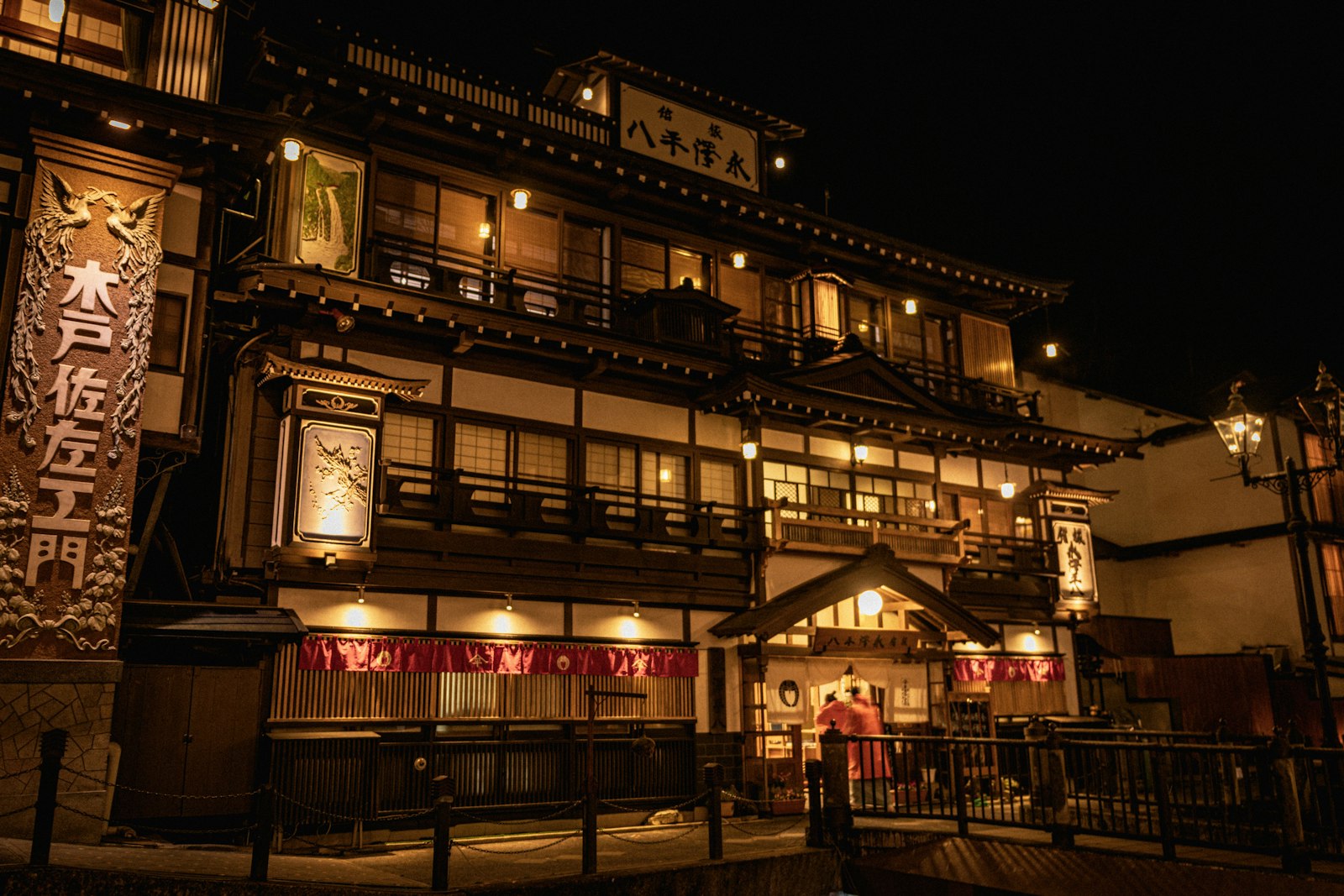
Plan a Tohoku Japan winter around the beds, not the sights →
Nothing in Tohoku Japan shuts for the winter. What shuts is the way in — a bus that stops in November, a bath that closes in December, a street that will not admit you unless you have booked a bed on it.
I have planned enough northern Japan trips to know where the arguments start, and it is almost never the destination. It is the afternoon somebody drives four hours to a famous onsen street and is turned around at a car park 1.5 kilometres short of it. That is not a hypothetical this season. Between 19 December 2026 and 7 March 2027, Ginzan Onsen is restricting access to non-staying visitors outright, and japan-guide.com states the dates plainly. The sight is open. The gate is shut. Those are different facts and only one of them is on the postcard.
Everything below about Tohoku Japan is sourced from japan-guide.com’s own destination and access pages, fetched on 27 November 2026, and I have quoted its figures rather than rounding them. Where a page states nothing — and several state nothing about winter at all — I say so instead of filling the gap.
I should also say where that source is soft. Its Ginzan page carries a notice dated 7 November 2026 sitting above a footer that reads “Page last updated: December 27, 2024,” and the Yokote page says the Kamakura Festival has about 450 years of history in its body while its own meta description says about 400. Both contradictions are the source arguing with itself, and I would rather print them than quietly pick a side. Treat every figure here as a planning baseline to confirm at booking, not a guarantee.
“It is well known for its countryside, mountains, lakes, hot springs, high-quality rice and rough winters.” — japan-guide.com on the Tohoku Region
What Changes Across Tohoku Japan Between December and March
The short answer is opening hours and buses. Almost nothing in Tohoku Japan closes outright; a great deal of it narrows. Yamadera runs 8:00 to 16:00 from April to November and 8:30 to 15:00 from December to March — ninety minutes gone from a climb of about 1,000 steps. Ouchijuku’s bus from Yunokami Onsen operates from mid-March through November, which means in February you are paying for a taxi. Kuroyu Onsen at Nyuto is simply “closed during winter.” Yokote Castle is usually closed from December through March.
None of that makes Tohoku Japan a bad winter destination. It makes it one where the itinerary is built backwards from the access rather than forwards from the sights. The six prefectures sit in the north of Honshu, and japan-guide.com’s own summary puts “rough winters” in the same breath as the hot springs. That is the whole planning problem in nine words.
So the seven Tohoku Japan stops below are ordered the way you would actually travel them, south to north and back down, and each one leads with the gate rather than the view.
1. Sendai: Where a Tohoku Japan Trip Starts, and What It Costs
Sendai has roughly one million inhabitants and is, as japan-guide.com puts it, “by far the largest city in the Tohoku Region.” It is also the only part of this Tohoku Japan route with no winter gate at all, which is exactly why it should carry your first and last nights.
The JR Tohoku Shinkansen runs from Tokyo in 100 minutes on Hayabusa, Hayate and Komachi services, all of which require seat reservations, or about two hours on a Yamabiko, which has some unreserved seating. The fare is approximately 11,000 yen one way, and all train types are fully covered by the Japan Rail Pass and the JR East Pass.
Two local passes are worth knowing before you arrive in Tohoku Japan. The Sendai Area Pass is 1,420 yen for one calendar day and can be used only by foreign tourists, not by residents of Japan. The Sendai Marugoto Pass is 2,930 yen for two consecutive days and can also be used by residents. Both cover JR trains in and around Sendai including the trains to Matsushima, Yamadera and the airport, which is the next two stops on this route plus the airport, on one ticket.
Best for: the nights either side of the weather, and the only reliable late dinner in Tohoku Japan.
Book by: whenever you like — this is the one stop in Tohoku Japan with no seasonal gate.
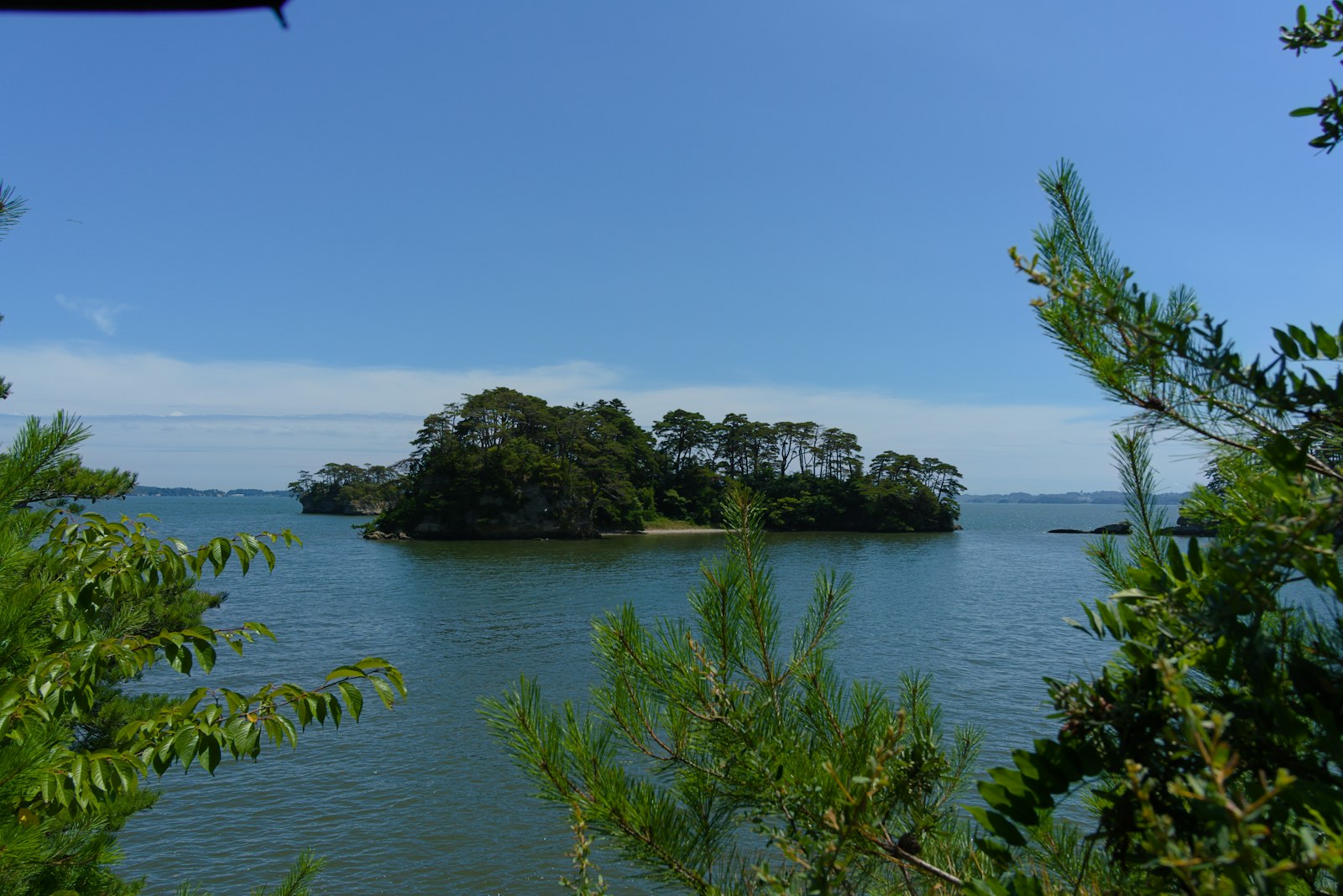
2. Matsushima: Forty Minutes and 440 Yen From Your Hotel
Matsushima is the easiest half-day in Tohoku Japan. Its bay, dotted with pine-clad islets, “has been ranked one of Japan’s three most scenic views,” and Zuiganji is described as one of the Tohoku Region’s most important Zen temples. From JR Sendai Station you take the JR Senseki Line to Matsushima Kaigan Station, the more convenient of the two stations: the one-way trip takes 40 minutes and costs 440 yen.
Note the small contradiction, because it is the kind that quietly eats an afternoon. The same source describes Matsushima as “half an hour outside of Sendai” in its own opening line and then gives the journey as 40 minutes on its access page. Ten minutes is nothing on its own; ten minutes against a Yamadera gate that shuts at 15:00 is not.
Here is where I have to be straight with you about the source, because Tohoku Japan is badly documented in English outside the big names. The Matsushima page states no opening hours, no closing days and no admission fee for any attraction on it, and no boat-cruise fare either. It also gives no time or fare for the JR Tohoku Line option. If you want to put a cruise in the plan, Hon-Shiogama is 20 to 30 minutes and 350 yen on the same Senseki Line, but the boat itself is unpriced on the page and I will not invent a figure for it.
Best for: a half-day that costs 880 yen in transport and asks nothing of the weather.
Go when: any morning in a Tohoku Japan winter — but confirm the cruise directly, because no winter schedule is stated.
3. Yamadera: Winter Takes Ninety Minutes Off the Climb
This is the first hard gate in Tohoku Japan and it is a good, legible one. Yamadera is a scenic temple on a steep mountainside northeast of Yamagata City, reached by a stone path of about 1,000 steps, and the ascent takes about 30 minutes. Opening hours are 8:00 to 16:00 from April to November and 8:30 to 15:00 from December to March. There are no closing days. Admission is 500 yen for the upper area and 200 yen for the treasure house.
Do the arithmetic before you book the train, because this is the single most common Tohoku Japan planning error I see. The winter window is six and a half hours, not eight, and it opens half an hour later. The station is about a five-minute walk from the base, and it is reached directly from Yamagata Station in about 20 minutes for 260 yen, or from Sendai Station in about one hour for 910 yen, one train per hour either way on the JR Senzan Line. One train an hour against a shortened window is the thing that catches people out.
Best for: a cold, clear morning when the steps are the point and the view is a bonus.
Go when: first train from Sendai — on a December-to-March visit the gate shuts at 15:00.
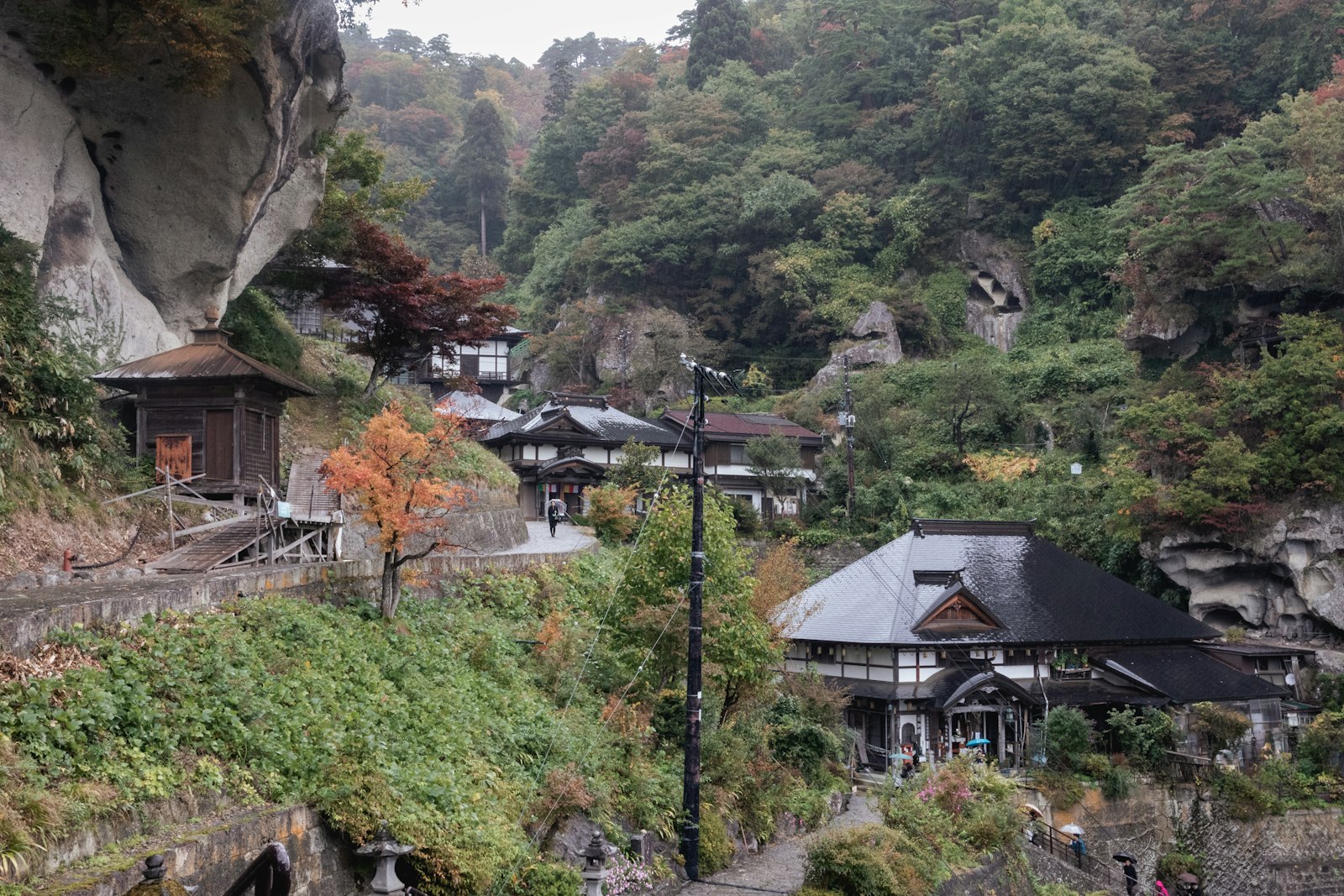
4. Ginzan Onsen: the Street That Locks Out Day Visitors
Ginzan Onsen is a secluded hot spring town in the mountains of Yamagata Prefecture and the street most people have already seen on a phone screen before they ever price a flight. It is also, this winter, the hardest place on this list to simply turn up at. During the 2026/2027 winter season, from 19 December 2026 to 7 March 2027, Ginzan Onsen is restricting access to non-staying visitors to reduce congestion and prevent accidents. Guests staying at local accommodations are exempt from these measures. That is the entire exemption as stated; nothing about proof of booking is given.
The mechanics matter more here than anywhere else in Tohoku Japan. Visitors arriving by car must park at Taisho Romankan, 1.5 kilometres from the town, and take a shuttle bus in. Shuttles depart every 20 minutes between 9:00 and 18:00 and cost 1,000 to 1,500 yen depending on the time of day, discounted by 300 yen if bought online in advance.
A shuttle reservation gives you a specific departure into town and an assigned return journey 90 minutes later; an earlier or later return is possible but may result in waiting times. Visitors without a shuttle reservation may be unable to board and visit the town at all. Walking between Taisho Romankan and Ginzan Onsen is prohibited.
Read that again as a planner rather than a traveller, because it reshapes a Tohoku Japan itinerary rather than trimming it. A non-staying visit to Ginzan Onsen this winter is a booked 90-minute slot, and non-staying guests cannot visit the town outside the shuttle operating hours of 9:00 to 18:00 at all — which rules out the lantern-lit evening that is the reason most people come. The page does not state how the reservation is actually made. It gives no booking channel and no lead time, and the only hint is that online purchase is cheaper. Arrangements for the regular bus “remain unclear.”
Getting there without a car: the JR Yamagata Shinkansen from Tokyo to Oishida takes about 200 minutes and around 13,000 yen one way, with buses from Oishida roughly every two hours for the 35-minute, 1,000-yen run in. Bus tours run twice daily from Oishida between 25 December 2026 and 7 March 2027. From Yamagata Airport there are two bus round trips a day, 75 minutes and 2,000 yen one way, no reservation needed. In town, two public baths cost 500 yen each — one is currently closed — the foot bath is free, and ryokan day baths run 500 to 1,500 yen.
Best for: one Tohoku Japan overnight, booked early, which converts every restriction above into a non-issue.
Book by: as far ahead as the ryokan will take you — the exemption is the booking, and nothing else.
MORE: For a hot spring town with no access lottery attached, read our guide to Kusatsu Onsen.
5. Nyuto Onsen: Eight Ryokan, Seven Different Timetables
Nyuto Onsen is a collection of onsen ryokan in the mountains of eastern Akita Prefecture, known for the baths at its eight inns, some of them genuinely rustic. From Tazawako Station the bus takes 50 minutes and costs 950 yen, running hourly and stopping near most ryokan except Tsurunoyu, Kuroyu and Magorokuyu. It is one of the few stops on this Tohoku Japan route where the bus is frequent enough not to dictate the day.
The planning trap is that no two baths keep the same hours. Tsurunoyu opens 10:00 to 15:00 for day trips at 700 yen, with its open-air bath closed on Mondays. Kuroyu runs 9:00 to 16:30, until 11:00 on Wednesdays, 800 yen — and is closed during winter. Taenoyu is 10:30 to 15:00 with last entry at 14:00, 1,000 yen. Ganiba is 9:00 to 16:00, closed Wednesdays, 800 yen. Ogama is 9:00 to 16:30, closed Thursdays, 600 yen. Magoroku is 11:00 to 15:00, closed Fridays, 700 yen for one indoor bath or 3,000 for all.
Kyukamura Nyuto Onsenkyo is the seventh day-trip option, 11:00 to 15:00 at 800 yen. The Yumeguri-go shuttle links the ryokan about once every two hours and a one-day pass is 1,000 yen.
Best for: a bath crawl, if you accept that four separate weekdays each remove a different bath.
Go when: any day but Wednesday or Thursday on a Tohoku Japan winter route — and knowing Kuroyu is out entirely.
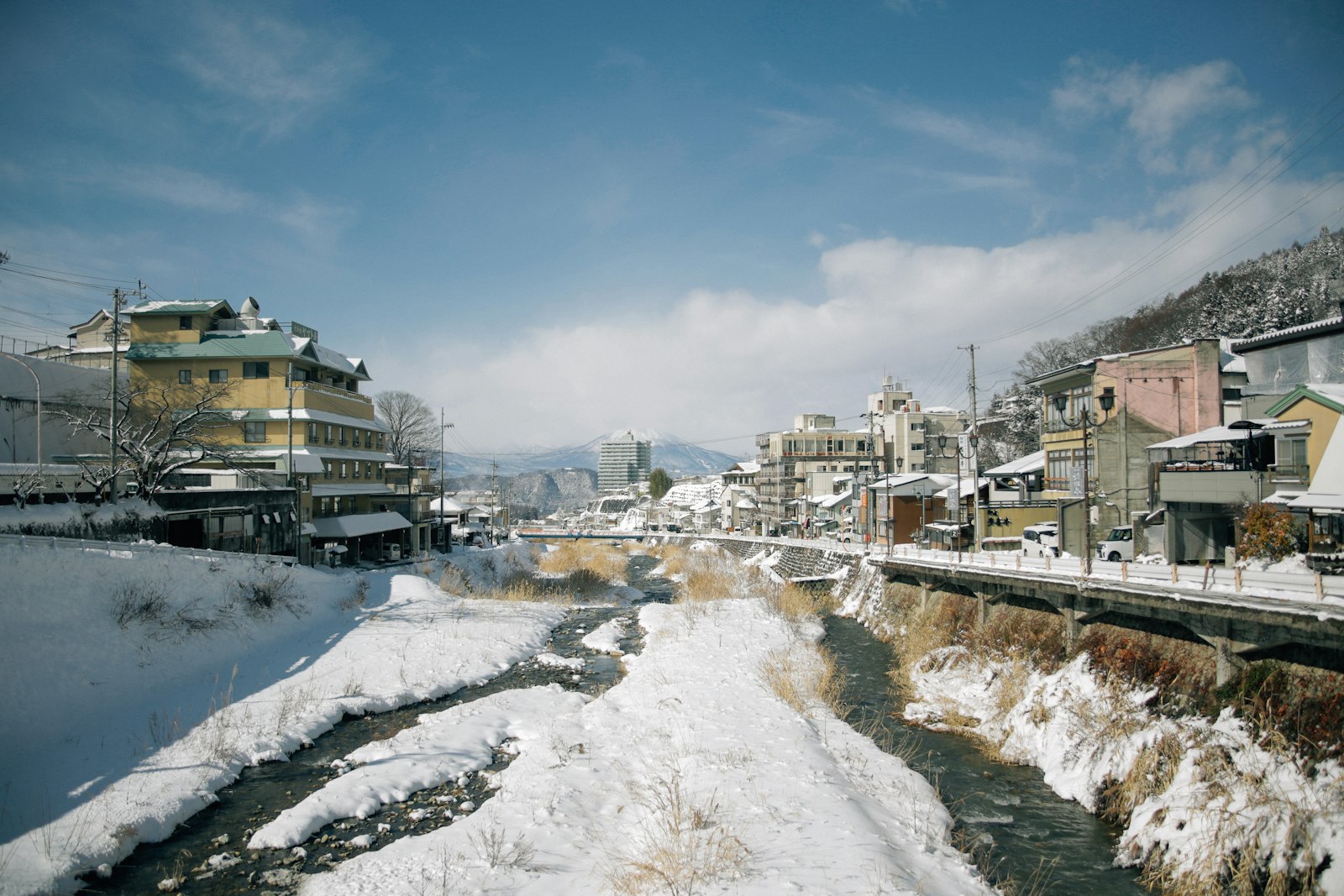
6. Yokote: a Castle That Opens for Two Nights a Year
The Yokote Kamakura Festival is the one date in the Tohoku Japan calendar built for the cold. It is held on the second Friday in February and the following Saturday. The 2026 festival was held on 13 and 14 February; the 2027 festival is expected to be held on 12 and 13 February. In the evenings, between 18:00 and 21:00, children invite visitors into their snow huts, and the mini kamakura are lit by candles from dusk around 18:00 until 21:00.
The detail I like best is the castle. Yokote Castle is usually closed from December through March, but opens specially during the festival period from 10:00 to 21:00, against normal non-winter hours of 9:00 to 16:30. So the building is accessible on two nights of the year that it would otherwise be shut, and for longer than it ever opens in summer. Kamakurakan Hall runs 9:00 to 17:00, closed 29 December to 3 January, admission 100 yen, and keeps a couple of kamakura year-round in a small minus-ten-degree room.
Access is the Akita Shinkansen to Omagari — 3.5 hours and about 17,500 yen from Tokyo, two hours and about 9,500 yen from Sendai — then 20 minutes and 350 yen on the JR Ou Line.
Best for: the one date in Tohoku Japan where winter is the event rather than the obstacle.
Book by: treat 12 and 13 February 2027 as expected, not confirmed, and hold beds accordingly.
7. Ouchijuku: the Bus Stops, the Taxi Does Not
Ouchijuku closes the Tohoku Japan loop. It is a former post town on the Aizu-Nishi Kaido trade route, which connected Aizu with Nikko during the Edo Period. The nearest station is Yunokami Onsen on the Aizu Railroad, 35 minutes and 1,060 yen one way from Aizu-Wakamatsu Station, or 860 yen with the Japan Rail Pass. From there it is a 15-minute taxi ride, around 2,000 yen one way.
And that taxi is the point of this whole Tohoku Japan exercise. A bus operates between Yunokami Onsen and Ouchijuku about once per hour from mid-March through November, 20 minutes, 1,100 yen for a two-day pass. For a December-to-February visit that bus does not exist, and no winter service is stated in its place. Budget the taxi both ways and the stop still works; assume the bus and you are stranded at a rural station.
The Former Honjin opens 9:00 to 16:30, closed over the New Year holidays, 250 yen. Coming from Nikko instead, it is about a 2.5-hour train ride by Tobu, Yagan and Aizu railways, 2,750 yen on local trains or around 4,000 on limited express, and the Nikko-Ouchijuku Free Pass is 4,860 yen.
Best for: the last Tohoku Japan stop before you turn south, if you have pre-booked a return taxi.
Go when: mid-March onwards if you want the bus — otherwise accept the 4,000-yen round trip.
| Stop | The Tohoku Japan winter gate | What it costs you | Source page last updated |
|---|---|---|---|
| Sendai | None stated | Nothing — 100 min from Tokyo, ~11,000 yen | 21 October 2024 |
| Matsushima | None stated; cruise schedule not stated | Unknown — confirm the boat directly | 10 December 2024 |
| Yamadera | 8:30–15:00 December to March | 90 minutes of access, and a later start | 1 May 2025 |
| Ginzan Onsen | Non-staying visitors restricted 19 Dec 2026 – 7 Mar 2027 | A booked 90-minute slot, or an overnight | Notice 7 Nov 2026; footer 27 Dec 2024 |
| Nyuto Onsen | Kuroyu closed during winter | One of eight baths, plus four weekday closures | 29 May 2025 |
| Yokote | Castle closed Dec–Mar except festival nights | Nothing, if you travel on the festival dates | 18 January 2026 |
| Ouchijuku | Bus runs mid-March to November only | ~4,000 yen in taxis instead of 1,100 | 26 March 2025 |
Every Tohoku Japan figure above is quoted from japan-guide.com’s own page for that destination. The last column is there because those pages were not written at the same time: the range runs from October 2024 to November 2026, and Ginzan’s own notice and footer disagree by almost two years. A stale page is not a wrong page, but it is a page to confirm before you pay.
How to Book Tohoku Japan Around the Gates, Not the Sights
Book the restricted Tohoku Japan night first
Ginzan is the only stop in Tohoku Japan where the booking changes your access rather than your comfort, so it sets the shape of the whole trip. Fix that night, then build outward. Everything else on this route can flex by a day; that one cannot.
Treat one train an hour as the real Tohoku Japan constraint
Yamadera runs one train per hour from both Yamagata and Sendai against a winter window that closes at 15:00. Nyuto’s shuttle comes about every two hours. Oishida’s bus to Ginzan is roughly two-hourly. In summer a missed connection costs twenty minutes; here it costs the stop.
Price the taxi you are pretending not to need
Ouchijuku in February is a 4,000-yen round trip by taxi rather than an 1,100-yen bus pass. Put it in the budget in advance and it is a rounding error. Discover it at Yunokami Onsen station in the snow and it is the worst half hour of the trip.
See how we build a seven-stop route →
Tohoku Japan: Frequently Asked Questions
Can you visit Ginzan Onsen in Tohoku Japan without staying overnight in winter?
Yes, but only on a booked shuttle slot. This is the strictest access rule in Tohoku Japan this winter. From 19 December 2026 to 7 March 2027 non-staying visitors are restricted; you must park at Taisho Romankan, take a shuttle between 9:00 and 18:00 for 1,000 to 1,500 yen, and return 90 minutes later. Walking in is prohibited. Guests staying at local accommodations are exempt.
What time does Yamadera in Tohoku Japan close in winter?
Yamadera opens 8:30 to 15:00 from December to March, against 8:00 to 16:00 from April to November. There are no closing days. Admission is 500 yen for the upper area and 200 yen for the treasure house, and the climb of about 1,000 steps takes roughly 30 minutes each way.
How long does it take to get from Tokyo to Tohoku Japan by train?
Tokyo to Sendai is 100 minutes on a Hayabusa, Hayate or Komachi service on the JR Tohoku Shinkansen, or about two hours on a Yamabiko, for approximately 11,000 yen one way. Tokyo to Omagari on the Akita Shinkansen is 3.5 hours and about 17,500 yen.
When is the Yokote Kamakura Festival in 2027?
The 2027 Yokote Kamakura Festival in Tohoku Japan is expected on 12 and 13 February, following the rule of the second Friday in February and the Saturday after it. The 2026 edition ran on 13 and 14 February. Evening viewing runs 18:00 to 21:00, and Yokote Castle opens specially from 10:00 to 21:00.
Is the Japan Rail Pass worth it for a Tohoku Japan winter trip?
For a Tohoku Japan winter trip, the Tokyo to Sendai Shinkansen is fully covered by the Japan Rail Pass and the JR East Pass. Local passes cover more of this route than people expect: the Sendai Area Pass at 1,420 yen for one day covers JR trains to Matsushima, Yamadera and the airport. The buses to Ginzan and Nyuto are not covered.
The Dorian Destinations Verdict on Tohoku Japan
Winter is the best time to see Tohoku Japan and the worst time to improvise in it. Those two things have always been true together, but the Ginzan restriction makes the second one enforceable for the first time, and I expect more of it rather than less as congestion management spreads to other small towns with one narrow street.
So the advice is simple and it is not the advice most Japan itineraries give. Build a Tohoku Japan winter around the four fixed points — the restricted night, the shortened hours, the hourly trains and the bus that is not running — and let the sightseeing fall out of them. Do it in that order and the region is extraordinarily rewarding for what it costs. Do it the other way round and you will spend a day of a short trip learning a timetable the hard way.
And confirm before you pay. The public record on Tohoku Japan is thinner than the photography suggests. The source pages behind every figure here were last updated anywhere between October 2024 and November 2026, which is the honest state of the public information on this region, and one of them contradicts itself by two years.
Talk to an advisor who checks the bus timetable →
Sources: japan-guide.com on the Tohoku Region, Sendai and Sendai access, Matsushima and Matsushima access, Yamadera, Ginzan Onsen, Nyuto Onsen, the Yokote Kamakura Festival and Ouchijuku, all fetched 27 November 2026. Figures are quoted as stated; fares, hours and seasonal services change.
Itineraries · Japan · Winter Travel