How Dorian Would Do It
Seville Itinerary: 3 Days, 6 Stops, and Room to Pause

Co-Founder & Travel Advisor, Dorian Destinations · Updated September 13, 2026 · ET
This 3-day Seville itinerary brings together a palace or cathedral visit, a morning among ceramics, a garden walk and a final evening over tapas—with enough space between them to enjoy the city. Explore six stops over three full days, all from one base.
The Seville itinerary below spends the first day around Santa Cruz, the second in Triana and beside the Guadalquivir, and the third among gardens before a relaxed dinner. Each day has a clear focus and room to follow your own curiosity.
A good Seville itinerary rewards a little breathing room. Give yourself time to notice a courtyard, sit over coffee or stay at the table for another plate. The best souvenir of three days in Seville might be the feeling that you had time to be there. The route below is designed with that in mind: one reserved landmark visit, neighborhood time, and breaks that belong to the trip as much as the sightseeing.
The best souvenir of three days in Seville might be the feeling that you had time to be there.
Your 3-Day Seville Itinerary at a Glance
The three days of this Seville itinerary, compared
The point of a 3-day Seville itinerary is not to see more, it is to stop moving so often. Here is what each day is actually for.
| Day | Focus | Stops | Book ahead? | Holds up in heat? |
|---|---|---|---|---|
| Day 1 | The monumental core | Santa Cruz; the Real Alcázar or the cathedral | Yes — the landmark you choose | Good — shaded lanes and interiors |
| Day 2 | Craft and the river | Triana ceramics; the Guadalquivir | Only for a workshop | Mixed — the riverside is exposed |
| Day 3 | Gardens, then a long dinner | María Luisa Park; a tapas finale | Dinner, if you want a specific table | Morning only — then retreat |
Frequently Asked Questions
Is 3 days enough for a Seville itinerary?
For a first visit, comfortably. Three days covers the UNESCO-listed monumental core, Triana across the river and a garden morning without rushing. What three days will not give you is a day trip to Córdoba or Granada as well — add a fourth night before you add a second city.
Should you visit the Real Alcázar or Seville Cathedral?
Either, and you are still inside the same World Heritage Site: UNESCO inscribed the Cathedral, Alcázar and Archivo de Indias together in 1987 as one monumental complex. The cathedral is the largest Gothic building in Europe, has five naves and holds the tomb of Christopher Columbus. If you only do one, we send most clients to the Alcázar for the interiors and gardens.
What is the Giralda?
The bell tower beside the cathedral, and originally a minaret. UNESCO calls it the masterpiece of Almohad architecture — the clearest single illustration of why Seville reads as both Moorish and Christian. The cathedral and Alcázar span the Reconquest of 1248 through the 16th century, which is the whole story in one skyline.
What is the best time of year to visit Seville?
Spring and autumn, in our experience. High summer in Andalusia is punishing in the middle of the day, and this Seville itinerary deliberately puts the exposed riverside and garden walks in the morning for that reason. This is planning judgment rather than data — check conditions for your own dates.
Do you need to book the Real Alcázar in advance?
Treat it as yes. Timed entry to Seville’s headline monuments sells out in peak periods, and an unbooked morning is the single most common way a 3-day Seville itinerary loses half a day. Reserve the landmark that matters most to you first, then build the rest of the day around that slot.
Is Seville walkable?
Very, which is why this Seville itinerary uses one base for all three nights. The historic centre, Triana and the park are all within a comfortable walk of each other. Use taxis or transport when the heat or the hour makes it sensible — there is no prize for walking everything.
Sources for this Seville itinerary, checked 13 September 2026: the UNESCO World Heritage Centre for the Cathedral, Alcázar and Archivo de Indias inscription (1987), the Giralda as the masterpiece of Almohad architecture, and the cathedral as the largest Gothic building in Europe; plus the official Visita Sevilla, Real Alcázar and Seville Cathedral sites for visitor information. Daily grouping, pacing and seasonality advice are our own judgment and are labelled as such.
Where to Base Yourself
This Seville itinerary assumes one base for all three nights, so stay in one accommodation for the whole visit. Choose it around the walks you want to take, the kind of evening you enjoy and how you will arrive. Check the actual street and entrance, lift access if needed, and whether your transfer can reach the door. This route assumes three full days; arriving the evening before gives the first morning room to breathe.
Day 1 · Morning
1. Santa Cruz: Begin in the Shaded Lanes
Start your 3-day Seville itinerary with a walk that leaves room for a wrong turn. Santa Cruz is part of the city’s former Jewish quarter, a neighborhood of narrow passages and small squares where the pleasure comes from noticing details: a tiled threshold, an iron balcony, the way an open square changes the light. Let the neighborhood introduce the city before you step inside one of its great monuments.
Give the walk a loose focus with Callejón del Agua, the lane beside the Alcázar’s garden wall highlighted in Seville’s official three-day guide. Then allow yourself to linger over coffee. You do not need a complicated circuit to enjoy Santa Cruz; a handful of lanes explored slowly can be more satisfying than an ambitious route followed with your eyes on a phone.
Make it work: Start with a comfortable morning loop and finish near your chosen landmark. Leave a generous lunch break before the afternoon visit, and check the route’s paving and access if cobbles or narrow passages affect your mobility.
Day 1 · Afternoon
2. The Real Alcázar or Seville Cathedral: Choose Your Landmark
Give one major monument the afternoon it deserves. Choose the Real Alcázar if palace architecture, decorative detail and gardens are the things you tend to remember. Its buildings reflect successive periods of Seville’s history, with Pedro I’s Mudéjar palace at the heart of the experience. Move slowly enough to take in a courtyard as a whole before leaning closer to its ornament.
Choose Seville Cathedral if you are drawn to Gothic interiors, religious art and the Giralda’s place in the skyline. This is a different kind of visit, with the scale of the building setting the mood. If the tower is a priority, review its access information when choosing your ticket. Both attractions reward attention; for this itinerary, pick the one that interests you most and build the day around it.
Reserve ahead: Use the Real Alcázar’s official visitor page or the cathedral’s official website to confirm your date, entry requirements and visit options. Allow for entry procedures and a pause afterward. The accompanying clip is an imagined Andalusian doorway, not a depiction of either monument.
Day 2 · Morning
3. Triana: Follow the City’s Ceramic Traditions
Cross to Triana for a morning built around craft. On the other side of the Guadalquivir, this neighborhood has a long association with potters, sailors and flamenco. Its ceramics give you a useful thread to follow: look for painted tiles and glazed pottery, then make time to understand how those objects connect to the neighborhood around them.
The official Triana guide points to Centro Cerámica Triana as a place to explore that heritage. A museum visit can give context to the pieces you notice afterward in shops. If you would rather make something yourself, arrange a workshop separately and let that appointment become the morning’s main event. The workshop shown in the video is illustrative; it does not identify a particular studio.
Make it work: Choose one focused ceramics experience, followed by time to browse and have lunch. Ask about how an item was made if you are shopping, and consider how you will carry it home. Confirm museum hours or workshop arrangements directly before setting out.
Day 2 · Afternoon
4. The Guadalquivir: An Afternoon Beside the Water
After a morning in Triana, let the river set the afternoon’s pace. The open view makes a pleasing change from the close details of pottery and neighborhood streets. Begin around Calle Betis, which Seville’s tourism office highlights for its riverside setting and views toward the historic center, and choose a comfortable stretch from there.
This is a good place to leave the itinerary deliberately loose. Walk for a while, stop for refreshments, and decide whether you feel like continuing. You can remain on the Triana side or cross back toward your base; there is no distance to complete for the afternoon to count. A seat with a view may turn out to be the part you remember most.
Best for: A gentle afternoon with room for conversation and photographs. Aim for softer light later in the day if it suits the weather and your energy. Riverfront stretches can be exposed, so choose shade or an indoor break when needed. The city’s Triana overview provides context for Calle Betis and the river views.
Day 3 · Morning
5. María Luisa Park: A Garden Morning
Start the final day among trees, garden paths and fountains. María Luisa Park gives this three-day itinerary a different texture: somewhere to wander with fewer decisions to make, pause on a bench and enjoy a morning that does not depend on an admission slot. Choose a manageable section of the park and explore it slowly.
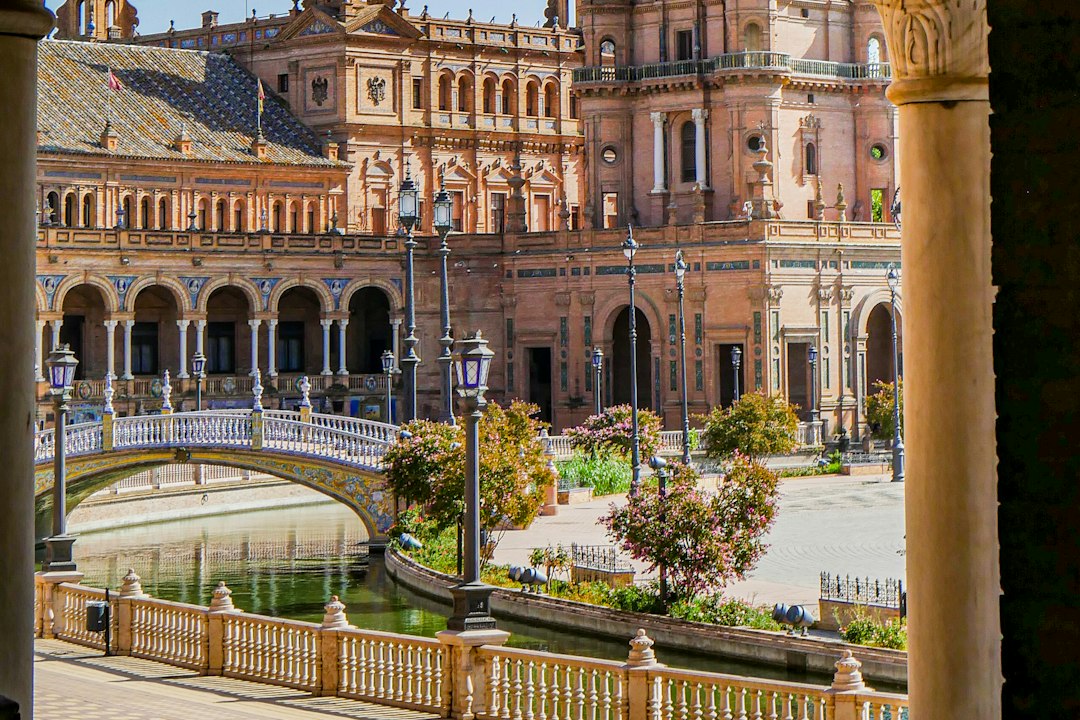
If you would like a focal point, include Plaza de España as part of this stop. Its monumental architecture was created for the 1929 Ibero-American Exposition, and its relationship with the park makes it a natural addition to a garden walk. Take in the broad sweep of the plaza, then return to the greenery when you are ready. Spain’s official Seville itinerary pairs these two sights, too.
Make it work: Keep the morning flexible and choose shaded paths when conditions call for them. A café stop and a return to your accommodation fit comfortably here. Save your energy for the final evening instead of turning the open afternoon into another sightseeing checklist.
Day 3 · Evening
6. A Tapas Finale: Make an Evening of Dinner
Finish with the sort of meal you have time to enjoy. Choose a tapas bar or restaurant for its food, atmosphere and seating, then settle in with a few small plates. You might begin with olives and tortilla, or look for dishes such as fried fish and jamón ibérico, both mentioned in Spain’s official guide to eating along this route. Let the actual menu and your preferences shape the order.
Order a little at first, see what you enjoy and add to it as the evening unfolds. A single good table works beautifully for this finale. If moving between bars appeals, keep it to a short route so the evening stays relaxed. The point is to enjoy dinner together with enough time to talk about the places you would return to.
Make it work: Confirm ingredients, dietary needs and the availability of a seated table with your chosen venue. Reserve if there is a particular place you want to try, and leave enough room afterward for an easy journey back. The video shows an illustrative tapas table, not a restaurant recommendation or a promised menu.
Leave Room to Pause
Reserve the landmark that matters most to your Seville itinerary, then arrange any workshop or special dinner around it. Check official opening and entry information for your travel dates. On warmer days, shorten exposed walks and make room for a longer midday break; on any day, use transport if it makes the journey more comfortable.
Use this 3-day Seville itinerary as a starting point for your trip. The best Seville itinerary reflects your interests, your pace and the people traveling with you. Dorian Destinations can help turn that starting point into a Seville stay that feels like your own.
Planning sources checked September 12, 2026. Daily grouping and pacing are our editorial suggestions. Confirm current venue arrangements for your dates.