

Best of Travel
The Best Time to Visit Japan: A Month-by-Month Guide

Co-Founder & Travel Advisor, Dorian Destinations · Published August 31, 2026 · ET
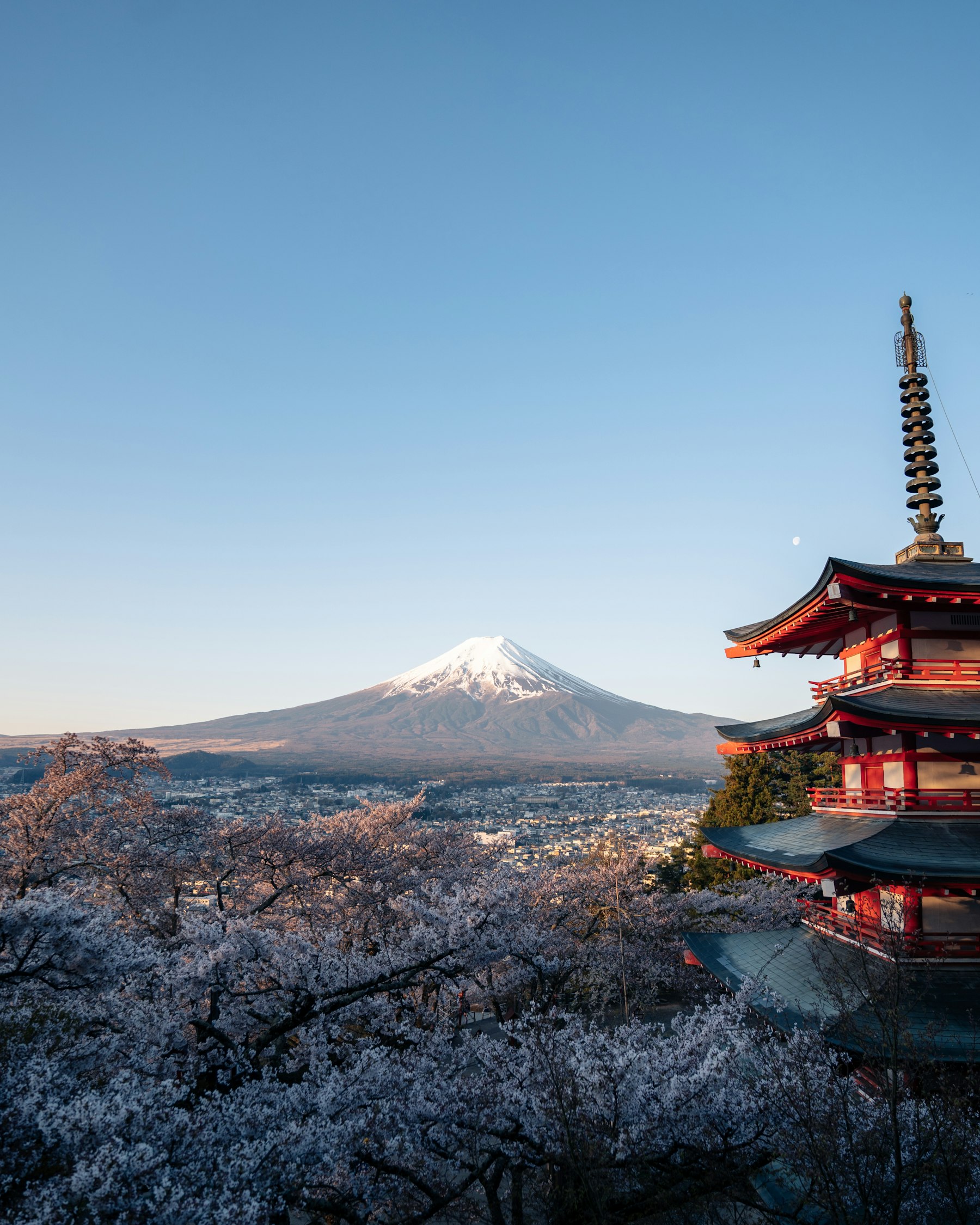
Plan Your Japan Trip With an Advisor
There isn’t one best time to visit Japan. There are about six, and they’re radically different trips.
Ask ten people when to go and you’ll hear “cherry blossoms” ten times. It’s a fine answer. It’s also the most expensive, most crowded, most weather-dependent fortnight in the Japanese calendar, and for a lot of the travelers we work with it’s quietly the wrong one. Japan stretches from subtropical Okinawa to sub-Arctic Hokkaido, so in almost any week of the year some part of it is doing something extraordinary. The trick isn’t finding the good season — it’s matching the season to the trip you actually want.
What follows is built on two things: published climate and bloom averages from Japan Guide’s seasonal data, plus the pattern we see in our own bookings — which weeks quietly overdeliver and how far ahead the good rooms go. Hard facts are sourced. Judgment calls are labelled as such.
The travelers who come home happiest from Japan are almost never the ones who chased the blossoms. They’re the ones who went in the shoulder weeks and had Kyoto to themselves at seven in the morning.
What actually determines the best time to visit Japan
Four variables, and they don’t move together. Weather is more extreme than first-timers expect — genuinely humid summers, genuinely cold northern winters. Natural spectacle means sakura, koyo and powder. Domestic crowds are the most underrated, because Japan’s holiday calendar moves the whole country at once. Price follows all three with a lag.
One thing has shifted since last year’s guidebooks. Japan recorded its first tourism decline in four years in January 2026 — about 3.6 million arrivals, down 4.9% year over year, as Chinese arrivals fell 61% amid political tensions and travel advisories, with South Korea taking over as top source market on a monthly record, according to Skift’s reporting on JNTO data. By Q1 2026 arrivals were back up 1.4% to 10.6 million. The practical read: some previously impossible weeks are now merely difficult.
1. January — Japan at its emptiest and clearest
Skip the first three days and January is one of the year’s best-kept secrets. New Year is the one period when shops and attractions genuinely close — roughly December 29 to January 3. After that the country reopens into cold, dry, startlingly clear weather; winter is when Fuji is actually visible from Tokyo. Sapporo lows sit near minus 8°C, Naha highs near 19°C.
Best for: Kyoto without the queues, onsen towns, Hokkaido powder.
Go when: January 5 to month’s end.
Book by: September for Niseko and Hakuba — ski beds are January’s one exception.
2. February — snow country, plum blossoms, low prices
February is January with better events. Northern Japan and the Sea of Japan coast take enormous snowfall — the reason the ski season here is what it is — and the Sapporo Snow Festival pulls the crowd north in early February. Plum blossoms open in Kanto and Kansai well before the cherries, and to my mind they’re the nicer viewing.
Best for: Skiers, photographers, Kyoto’s temples in snow.
Go when: Mid-February, once the Snow Festival crowds thin.
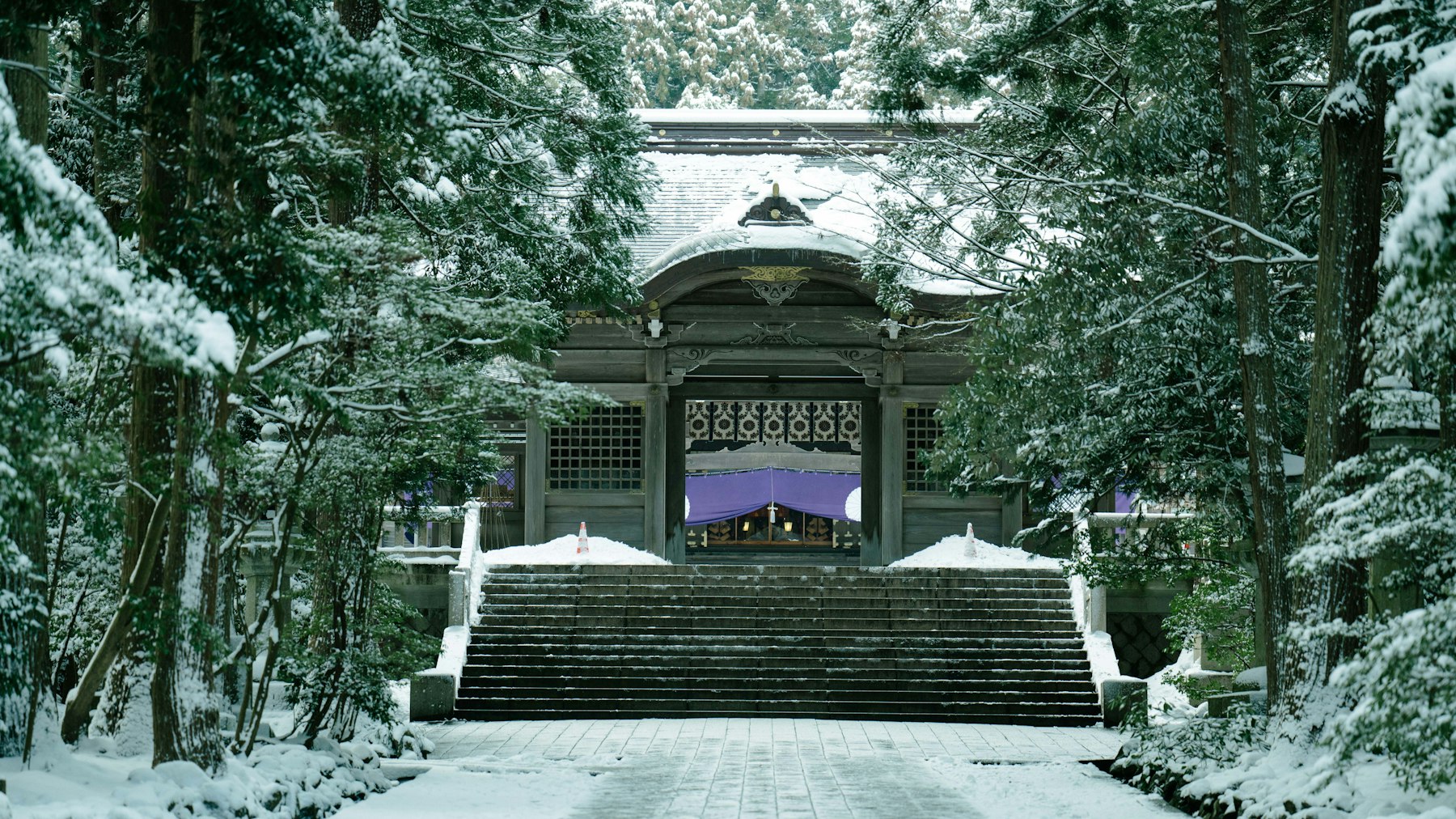
3. March — the gamble everyone takes
Sakura season is a moving front: Okinawa in January, Tokyo and Kansai late March to early April, Hokkaido in May. Tokyo’s long-run average is a March 24 opening and March 31 full bloom, per Japan Guide. Full bloom lands about a week after the first blossoms and the peak is gone a week later — a window of roughly ten days that swings a week either side with the preceding weeks’ temperatures.
Best for: First-timers willing to accept variance for the payoff.
Go when: The last week of March.
Book by: The previous summer — forecasts land in January, the good ryokan go long before.
4. April — peak beauty, peak everything else
Kyoto averages a March 26 opening and April 4 full bloom, so early April is Kansai’s moment — and the year’s most expensive fortnight. It runs straight into Golden Week: in 2027 the holidays fall Thursday April 29, then Monday May 3 to Wednesday May 5. Take Friday April 30 off and you have seven straight days, which means much of Japan will.
Best for: The classic Tokyo–Hakone–Kyoto route at its most photogenic.
Go when: April 1–12 — and be parked in one place by April 28.
5. May — the month I recommend most often
Once Golden Week clears, May is close to perfect: warm, dry, green, and the country exhales. Hokkaido gets its blossoms now — Sapporo averages a May 1 opening and May 6 full bloom — so this is the sakura workaround. Okinawa is the exception; its rainy season starts in early May.
Best for: Second-time visitors, walkers, comfort over spectacle.
Go when: May 8 to month’s end.
6. June — tsuyu, and why it isn’t a dealbreaker
The rainy season arrives in most of Japan from early June and lifts in the first half of July. Hokkaido is essentially exempt — the single most useful fact in this article. Tsuyu isn’t monsoon; it’s grey days, humidity and intermittent heavy rain. Hydrangeas are spectacular, temple moss glows, and rates drop.
Best for: Budget trips, Hokkaido, gardens, repeat visitors.
Go when: Early June — or go north and ignore the whole thing.
7. July — mountains, festivals and real heat
Once tsuyu breaks, July turns hot and humid, with highs of 29–33°C in most regions. Altitude and latitude are the escape routes. It’s also Fuji season: in 2026 the Yoshida and Subashiri trails ran July 1 to September 10, Fujinomiya and Gotemba July 10 to September 10, with a 4,000-yen fee on all four trails, advance online booking required, a 4,000-hiker daily cap on Yoshida, and trailheads shut 2pm to 3am to stop overnight climbing.
Best for: Fuji climbers, the Japanese Alps, Tohoku’s summer festivals.
Go when: Mid-to-late July, after the rains lift.
Book by: The moment the next Fuji reservation window opens; rules are confirmed in spring.
8. August — the month to avoid, with two exceptions
August is hot, humid, and carries both Obon and the peak of typhoon season. Obon moves the country en masse mid-month; businesses close and transport fills. Unless you’re headed to Hokkaido or the mountains, I’d steer you elsewhere.
Best for: Hokkaido, high-altitude Nagano, school-holiday travelers.
Go when: Only with flexible bookings and typhoon-aware routing.
9. September — improving weekly
Early September still belongs to summer and to typhoons. The back half turns: the koyo front starts in Hokkaido from mid-September and works south, and the Alps’ highest elevations turn from late September.
Best for: Hokkaido foliage, hiking, value before the autumn surge.
Go when: After September 20.
10. October — the connoisseur’s month
If May is the comfortable answer, October is the sophisticated one. Weather is stable and mild and koyo is properly underway: Daisetsuzan and Asahidake peak early-to-mid October, Tohoku’s higher elevations mid-to-late October, Nikko from late October. Crowds are real but nothing like April.
Best for: Foliage without the Kyoto crush, walking routes, food.
Go when: Any of it. Mid-October is the sweet spot.
11. November — Kyoto’s best two weeks
The koyo front reaches the lower elevations of central and southern Japan by late November. Tokyo turns mid-month; Kyoto peaks mid-November and holds into early December. It’s the one time Kyoto rivals April for demand, and in my view the better trade.
Best for: Kyoto and Nara at their most beautiful.
Go when: November 12–30.
Book by: February for premium Kyoto rooms.
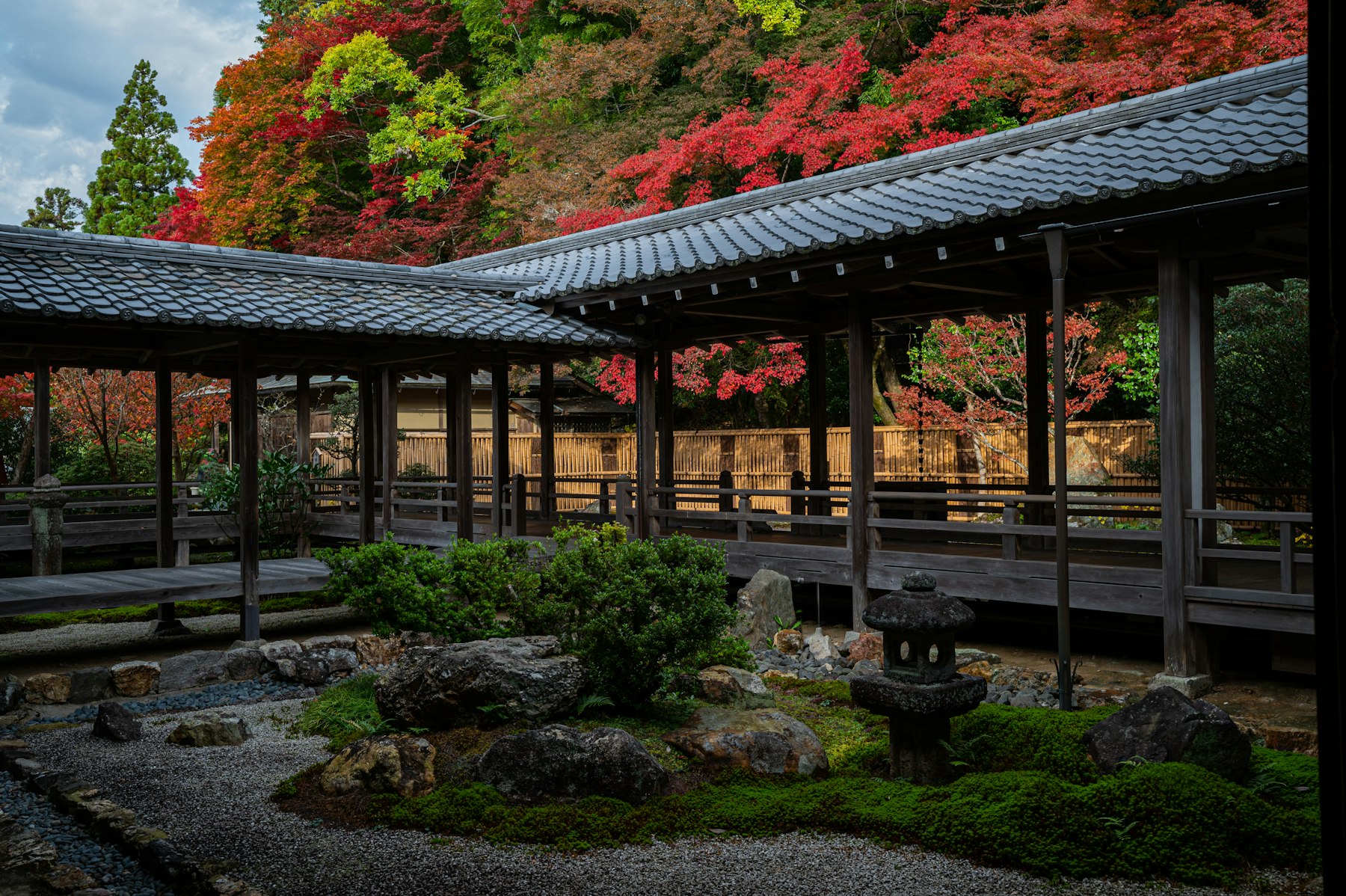
12. December — two months in one
The first three weeks of December are underrated: late colour lingering in the south, crisp air, illuminations everywhere, low-season pricing. Then New Year lands around December 29 and the country shuts. The line between the two is sharp.
Best for: Cities, food, value.
Go when: December 1–22 — after that, only if you want hatsumode.
More from Dorian Destinations
The 12 Most Beautiful Beaches in the World — and Exactly When to Go
Japan by season, compared
| Season | Months | What you get | Crowds & price | Best for |
|---|---|---|---|---|
| Winter | Dec–Feb | Clear skies, snow, visible Fuji, onsen | Lowest, except New Year and ski towns | Skiers, quiet Kyoto, value |
| Spring | Mar–May | Cherry blossoms, mild temperatures | Highest late Mar–early May | First-timers, photographers |
| Rainy season | Jun–early Jul | Hydrangeas, green gardens, rain | Low; Hokkaido unaffected | Budget trips, repeat visitors |
| Summer | Jul–Aug | Festivals, Fuji climbing, heat and typhoons | High in Obon week | Mountains, Hokkaido, families |
| Autumn | Sep–Nov | Koyo foliage, stable mild weather | Moderate, spiking in Kyoto mid-Nov | Almost everyone |
How we actually plan the timing
Work backwards from one non-negotiable
Pick the one thing that matters most — blossom, foliage, powder, a festival — and build around it. Chasing two spectacles in one trip is how itineraries become forced marches.
Move north or up when the calendar fights you
Almost every Japanese timing problem has a geographic solution. Missed the blossoms? Hokkaido in May. Hate humidity? Nagano in July. Rainy season? Hokkaido again.
Treat Golden Week, Obon and New Year as closed
These aren’t busy periods, they’re structurally different. Reserve trains far ahead or don’t move at all. Outside New Year, most shops and attractions stay open on national holidays — it’s transport and rooms that break.
Expect the pricing landscape to keep shifting
Japan’s Tourism Agency is moving toward two-tier admission pricing at major sites, with formal guidelines expected by March 2027. Himeji Castle already prices by residency and reportedly nearly doubled revenue while serving fewer visitors; the Tokyo National Museum and National Art Center are in the discussion, Skift reports. Budget more for headline attractions than last year’s guidebooks suggest.
Get a Japan Timing Plan Built Around Your Dates
Frequently Asked Questions
What is the best month to visit Japan?
Late October and the second half of November are the strongest all-round months: mild stable weather, peak autumn colour, crowds well below spring levels. May after Golden Week is the runner-up. April delivers the famous spectacle at the highest cost and the greatest weather risk.
What is the best time to visit Japan for cherry blossoms?
Late March to early April in Tokyo, Kyoto and Osaka. Tokyo averages a March 24 opening and March 31 full bloom; Kyoto averages March 26 and April 4. The peak lasts roughly ten days and can shift a week either way, so book flexible and consider Hokkaido in early May as a backup.
What is the best time to visit Tokyo specifically?
Tokyo is Japan’s most weather-forgiving major city. November is excellent: foliage peaks mid-month and the air is clear. January and February are cold but dry, bright and the cheapest time to stay well. Avoid late July and August, when heat and humidity ruin long walking days.
When is the rainy season in Japan, and should I avoid it?
Tsuyu runs from early June to the first half of July across most of Japan; Okinawa starts in early May and Hokkaido is largely exempt. It’s grey and humid rather than washed out. If value or gardens matter most, June is smart. If photography does, go north.
What is the worst time to visit Japan?
August, for most travelers: peak heat and humidity, the Obon travel surge mid-month, and the strongest stretch of typhoon season, which peaks in August and September. The New Year period, roughly December 29 to January 3, is the other to avoid — the only time businesses genuinely close.
How far in advance should I book a trip to Japan?
Nine to twelve months for cherry blossom season and mid-November in Kyoto; six for Hokkaido ski weeks; three to four for everything else. That’s our own benchmark rather than a published figure — the constraint is almost always ryokan and small properties, not flights.
The Dorian Destinations Verdict
If you gave me one week in Japan and no other instruction, I’d send you in mid-to-late November, to Kyoto and Nara. Autumn colour lasts longer and behaves more predictably than blossom, the weather is the year’s most reliable, the light is better, and you’ll pay meaningfully less than April for a materially better trip.
Cherry blossom season isn’t a mistake. It’s just the version of Japan most people book because it’s the one they’ve seen, and it carries the highest prices, the tightest availability and a ten-day window that can slide a week either way while your non-refundable flights sit there. If sakura is the reason you’re going, go — with flexible dates and a plan B in Hokkaido.
And if you’re going for the food, the ryokan, the mountains, the crafts, the trains — go in the shoulder weeks. January after the fifth. May after Golden Week. Early December. Those are the weeks Japan is at its best and least defended, and they’re the ones we book for ourselves.
Meet the Advisors Who Plan Our Japan Trips
Sources: climate, bloom and autumn-colour averages, holiday dates and 2026 Mount Fuji climbing rules from Japan Guide; arrival statistics and policy reporting from Skift, citing JNTO data. Booking windows and seasonal recommendations are our own planning judgment.
Best of Travel
Japan
Asia
Luxury Travel